
Science & Technology
PARC Seminar 2 - Heide Hackmann

In-person, followed by refreshments; and on zoom
Abstract
Since its adoption in 2015, the United Nations’ Agenda 2030 and its 17 Sustainable Development Goals (SDGs) have offered a powerful narrative for framing science as a global public good. This framing, along with a focus on impact, now permeates science policy worldwide.
The optimism that accompanied the launch of Agenda 2030 has given way to growing concern over inadequate progress on the SDGs and a rapidly deteriorating global context, including climate, health, economic and security crises. The effect of these shifts on African research has been to reinforce long-standing structural inequities in global knowledge production and governance, while also increasing pressure on already stretched systems to deliver timely, socially relevant solutions.
This is the time to rethink the ‘public good’ role of science from African perspectives – to move beyond the adoption of global frameworks towards more context-responsive and strategic approaches that are grounded in local societal priorities. It is an opportunity to strengthen the influence of African science and reposition Africa as a leader in shaping more equitable and resilient global science–society relations.
About our speaker
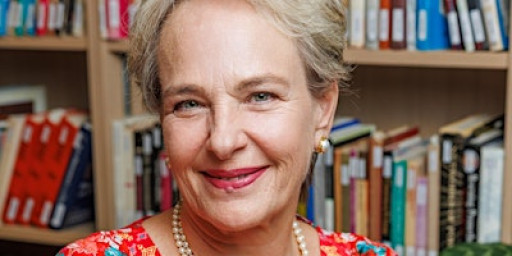
Dr Heide Hackmann, holds a Chair in Science Futures and is Director of the Centre for Research on Evaluation, Science and Technology (CREST) at Stellenbosch University. She serves as an advisor to the United Nations, is a Fellow of the International Science Council (ISC), and chairs South Africa’s ISC Advisory Council.