

Why Smart Organizers Are Making the Move Toward Identity-Verified Event Access?
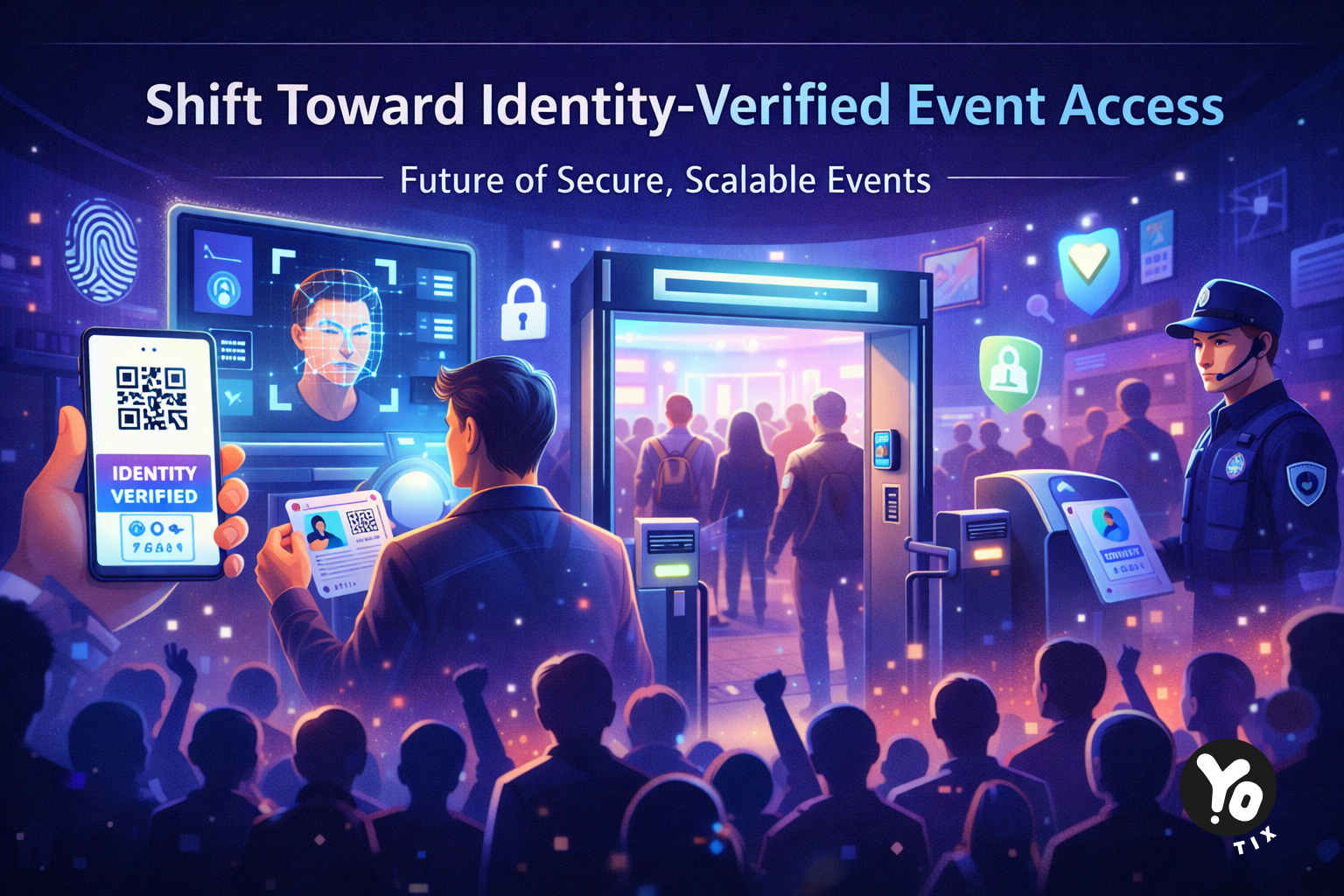
The global events industry is entering a new era. As large-scale concerts, sports tournaments, cultural festivals, and corporate conferences grow in size and complexity, so do the risks tied to ticket fraud, scalping, fake entries, and revenue leakage.
For event organizers, the challenge is no longer just selling tickets — it’s protecting inventory, controlling distribution, and maintaining brand trust.
This is where identity-verified event access is changing the game.
Across the world, organizers are shifting toward systems that link tickets to verified individuals rather than anonymous QR codes. The result? Stronger security, reduced fraud, smarter data insights, and long-term business sustainability.
Platforms like Yotix are leading this transition by building AI-powered, identity-driven ticketing ecosystems specifically designed for modern event organizers.
Let’s explore why this shift is accelerating — and why it matters now more than ever.
Escalating Cost of Ticket Fraud and Scalping
Ticket fraud is not a small operational inconvenience — it’s a billion-dollar problem.
- According to industry research, the global secondary ticket market exceeds $15 billion annually, with a significant portion driven by unauthorized resales.
- Studies suggest that in high-demand events, tickets are often resold at 3x to 10x the original price.
- Reports indicate that up to 12% of consumers globally have experienced ticket fraud, whether through fake QR codes, invalid resales, or duplicate tickets.
For organizers, this creates multiple losses:
- Revenue diverted to unauthorized resellers
- Brand damage from disappointed fans
- Entry gate congestion due to ticket disputes
- Reduced control over pricing strategy
When tickets are transferable without identity validation, control shifts from the organizer to the secondary market.
Identity verification changes that balance of power.
What is Identity-Verified Event Access?
Identity-verified access means every ticket is linked to a verified attendee profile. Entry is granted only after confirming that the person presenting the ticket matches the verified identity.
Verification methods may include:
- Government ID validation
- AI-based facial recognition
- OTP authentication linked to mobile numbers
- Biometric checks
- Digital identity wallets
Instead of anonymous QR codes floating freely across resale platforms, tickets remain securely connected to real individuals.
For organizers, this creates a closed, controlled ecosystem.
Yotix integrates AI-driven identity verification with an anti-scalping architecture, allowing organizers to maintain authority over ticket ownership and transfers.
Why Event Organizers Are Rapidly Adopting Identity-Based Systems
Eliminating Scalping and Price Manipulation
Scalping not only inflates ticket prices but also damages trust between organizers and fans.
In major global concerts, some events have reported more than 40% of tickets appearing on resale platforms within hours of launch.
This leads to:
- Artificial demand spikes
- Fan frustration
- Perceived unfairness
- Sponsor dissatisfaction
Identity-based ticketing allows organizers to:
- Restrict unauthorized transfers
- Set resale price caps
- Enable verified in-platform re-listing
- Track ticket ownership lifecycle
Instead of losing margin to third-party resale marketplaces, organizers can build secure secondary marketplaces within their ecosystem.
Improving Entry Speed and Operational Efficiency
One common misconception is that identity verification slows down entry.
In reality, AI-powered verification can significantly reduce entry friction.
According to event operations studies:
- Facial recognition systems can process attendees in under 2–3 seconds per person.
- Automated identity validation can reduce manual ticket dispute resolution by up to 60%.
- Smart access control systems can decrease gate congestion by nearly 30% during peak entry windows.
Traditional QR-based systems often fail when duplicate codes are scanned, leading to delays and disputes.
Identity-linked access ensures that each ticket has one verified owner, eliminating duplication confusion.
For large stadium events hosting 20,000+ attendees, even a 20% efficiency improvement translates into major operational savings.
Enhancing Crowd Safety and Compliance
Safety is becoming a top priority for regulators and event authorities.
Post-pandemic regulations and large-scale event guidelines increasingly require better attendee tracking and capacity control.
Identity-based ticketing enables:
- Accurate real-time headcount
- Verified entry logs
- Age-restricted access enforcement
- VIP and zone-based authentication
- Emergency response coordination
According to global safety assessments, improved digital identity tracking can increase incident traceability efficiency by over 35% during emergency management scenarios.
For government-backed events and large public gatherings, identity-linked access is becoming a compliance advantage — not just a feature.
Unlocking Verified Audience Data
Data is one of the most underutilized assets in event management.
Traditional resale markets fragment customer data, making it difficult to build long-term audience relationships.
Identity-verified ticketing centralizes verified attendee profiles, allowing organizers to:
- Build accurate CRM databases
- Analyze demographic insights
- Improve sponsor targeting
- Create loyalty rewards
- Increase repeat attendance
Research shows that personalized marketing can increase ticket repurchase rates by 20–25% compared to generic promotions.
When organizers control verified attendee data, they unlock sustainable revenue growth beyond a single event.
Yotix integrates identity validation with AI-powered analytics to help organizers convert verified data into strategic growth.
Building Brand Trust in a Competitive Market
Trust is now a competitive advantage.
A survey of event attendees revealed:
- Over 70% of ticket buyers prefer purchasing directly from verified platforms.
- Nearly 65% of consumers say they would avoid events associated with ticket fraud incidents.
When fans feel protected from fake tickets and price manipulation, they are more likely to:
- Buy early
- Recommend the event
- Engage in premium upgrades
- Return for future editions
Identity-verified access positions your event as secure, fair, and professionally managed.
That reputation compounds over time.
Technology Driving the Identity Shift
Identity-based event access relies on several advanced technologies:
AI-Based Identity Matching
Automated verification reduces manual workload and speeds up validation.
Facial Recognition at Entry
Real-time comparison ensures tickets for the event this week in Los Angeles are authentic within seconds.
Blockchain Ticket Tracking
Tamper-proof ticket lifecycle records enhance transparency.
Secure Digital Wallets
Attendees store verified passes in encrypted mobile environments.
Smart Resale Rules
Organizers control resale caps and transfer permissions.
Yotix combines these technologies into a unified ecosystem built specifically for event organizers who need both scale and security.
Addressing Organizer Concerns
“Will Attendees Be Comfortable with Identity Verification?”
Consumers are already accustomed to digital KYC in banking, travel bookings, and fintech apps.
Clear privacy communication and secure data practices increase comfort levels. When positioned as a fairness measure against scalping, most attendees appreciate identity-linked protection.
“Is It Too Advanced for Mid-Size Events?”
Identity verification is scalable.
Whether hosting:
- 500-person premium networking events
- 5,000-capacity music festivals
- 50,000-seat sports tournaments
Modern AI-based systems adapt to event size and complexity.
Yotix is designed to support scalable deployment across multiple event categories.
Business Case for Early Adoption
Organizers who implement identity-verified access gain:
- Reduced fraud losses
- Controlled secondary market revenue
- Faster entry processing
- Improved compliance alignment
- Stronger sponsor confidence
- Higher long-term customer retention
The event industry is evolving rapidly. Just as paper tickets became obsolete, anonymous QR-based access will soon feel outdated.
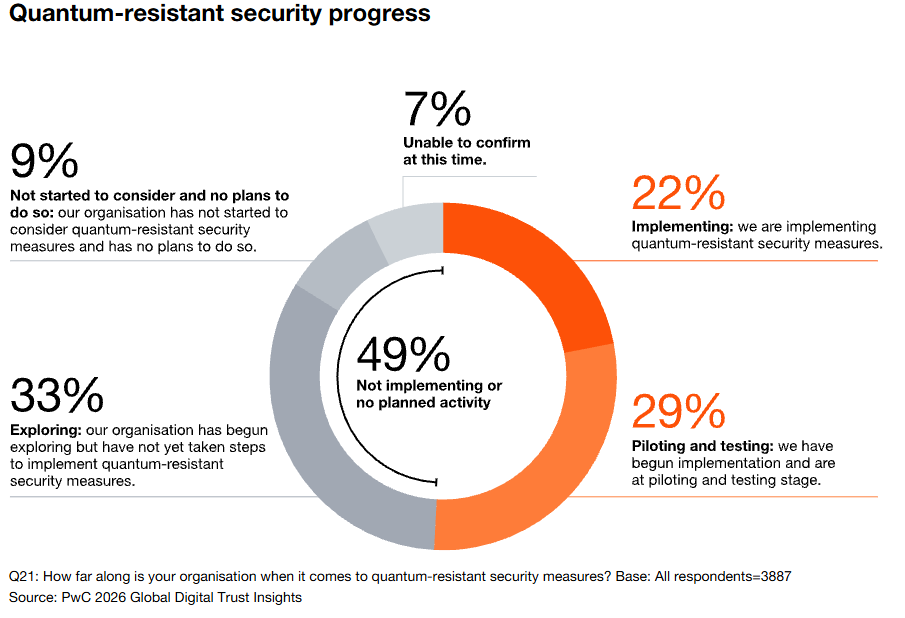
According to digital transformation studies, over 60% of event technology investments globally are now focused on security and identity enhancements.
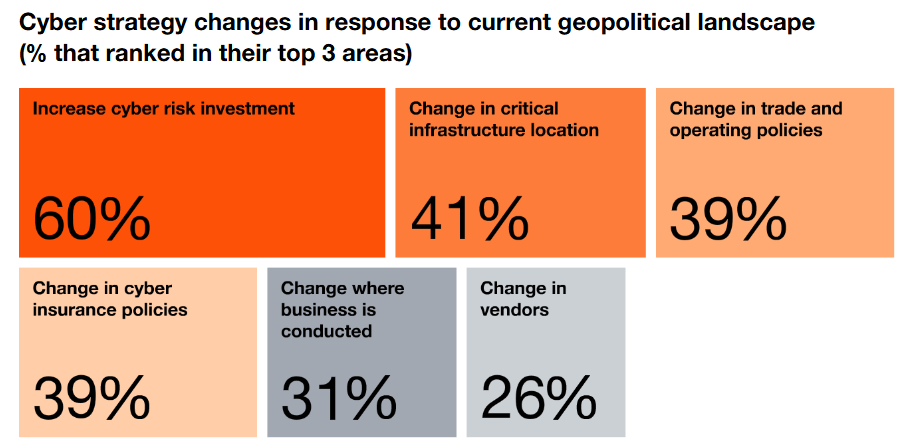
The shift has already begun.
Future of Event Access is Identity-Driven
Identity-verified event access is not just about technology — it’s about control, transparency, and growth.
For event organizers, it offers:
- Fair pricing ecosystems
- Fraud prevention
- Data ownership
- Operational efficiency
- Regulatory readiness
- Enhanced attendee trust
As competition increases and audiences demand better experiences, identity-driven systems will define industry leaders.
Yotix is building this next-generation infrastructure — combining AI-powered identity verification, anti-scalping architecture, and secure ticket lifecycle management into one integrated platform.
For organizers ready to protect revenue, strengthen trust, and future-proof their events, the shift toward identity-verified access is not optional.
It’s strategic.
And Yotix is enabling that future — today.
FAQs
What is identity-verified event access?
Identity-verified event access is a ticketing system where each ticket is linked to a verified individual rather than being freely transferable. Entry is granted only after confirming the attendee’s identity through secure verification methods such as ID validation, OTP authentication, or facial recognition.
This ensures that tickets cannot be misused, duplicated, or resold without authorization.
How does identity verification help prevent ticket scalping?
Traditional tickets can be easily resold on third-party marketplaces at inflated prices. Identity-based ticketing restricts unauthorized transfers and allows organizers to:
- Control resale pricing
- Enable official in-platform resale
- Track ticket ownership lifecycle
- Prevent bulk anonymous purchases
By linking tickets to verified users, organizers eliminate uncontrolled secondary market exploitation.
Will identity verification slow down entry at the venue?
No. Modern AI-powered verification systems are designed for speed and efficiency.
Facial recognition and digital ID validation typically take just a few seconds per attendee. In many cases, identity-based systems reduce gate disputes caused by duplicate QR codes, actually improving overall entry flow.
Is identity-verified ticketing suitable only for large-scale events?
Not at all. Identity verification can be implemented for:
- Music concerts
- Sports events
- Corporate conferences
- Government events
- Premium networking gatherings
- VIP-only experiences
Whether your event hosts 500 attendees or 50,000, the system can be scaled accordingly.
How does identity-based ticketing improve event security?
Identity-linked tickets allow organizers to:
- Track verified attendee entries
- Enforce age restrictions
- Manage zone-based access control
- Maintain accurate real-time headcounts
- Strengthen emergency response coordination
This enhances safety compliance and reduces unauthorized access risks.
What about attendee privacy concerns?
Data privacy is critical. Secure identity-based platforms use encrypted storage, controlled access protocols, and compliance-aligned systems to protect user information.
Clear communication about how data is used — solely for event access and security — builds attendee trust.
Can attendees still transfer their tickets if needed?
Yes — but through controlled mechanisms.
Organizers can allow verified transfers within the platform, ensuring:
- Identity validation of the new attendee
- Controlled resale pricing
- Full tracking of ticket ownership changes
This maintains flexibility while preventing abuse.
How does identity verification improve revenue for organizers?
Identity-based systems help increase revenue by:
- Eliminating losses from fraudulent entries
- Preventing unauthorized resale profits
- Enabling controlled secondary marketplaces
- Providing verified audience data for remarketing
- Enhancing sponsor confidence
Instead of losing value to third-party resellers, organizers retain control over the ticket ecosystem.
Is implementation complex or expensive?
Modern identity-driven ticketing platforms are built for scalability and integration.
Implementation depends on event size and requirements, but the long-term cost savings from reduced fraud, operational efficiency, and data ownership often outweigh the investment.
How does identity verification help with regulatory compliance?
Identity-based access supports compliance by:
- Maintaining transparent entry logs
- Enforcing age-restricted access
- Preventing illegal scalping
- Supporting government security mandates
As regulations tighten around large-scale events, identity-linked systems provide a proactive compliance advantage.
Can identity-verified ticketing integrate with existing event technology?
Yes. Advanced platforms are designed to integrate with:
- Access control systems
- CRM tools
- Event apps
- Payment gateways
- Analytics dashboards
This ensures a seamless operational workflow without disrupting existing infrastructure.
Why is identity-based access becoming the future of events?
The events industry is shifting toward smarter infrastructure. As fraud increases and audiences demand fair pricing and security, anonymous ticket systems are becoming outdated.
Identity-verified access offers:
- Fairness for attendees
- Protection for organizers
- Better operational control
- Long-term ecosystem growth
It is not just a security feature — it is a strategic advantage.