

Top Mistakes Event Organizers Make While Promoting Events
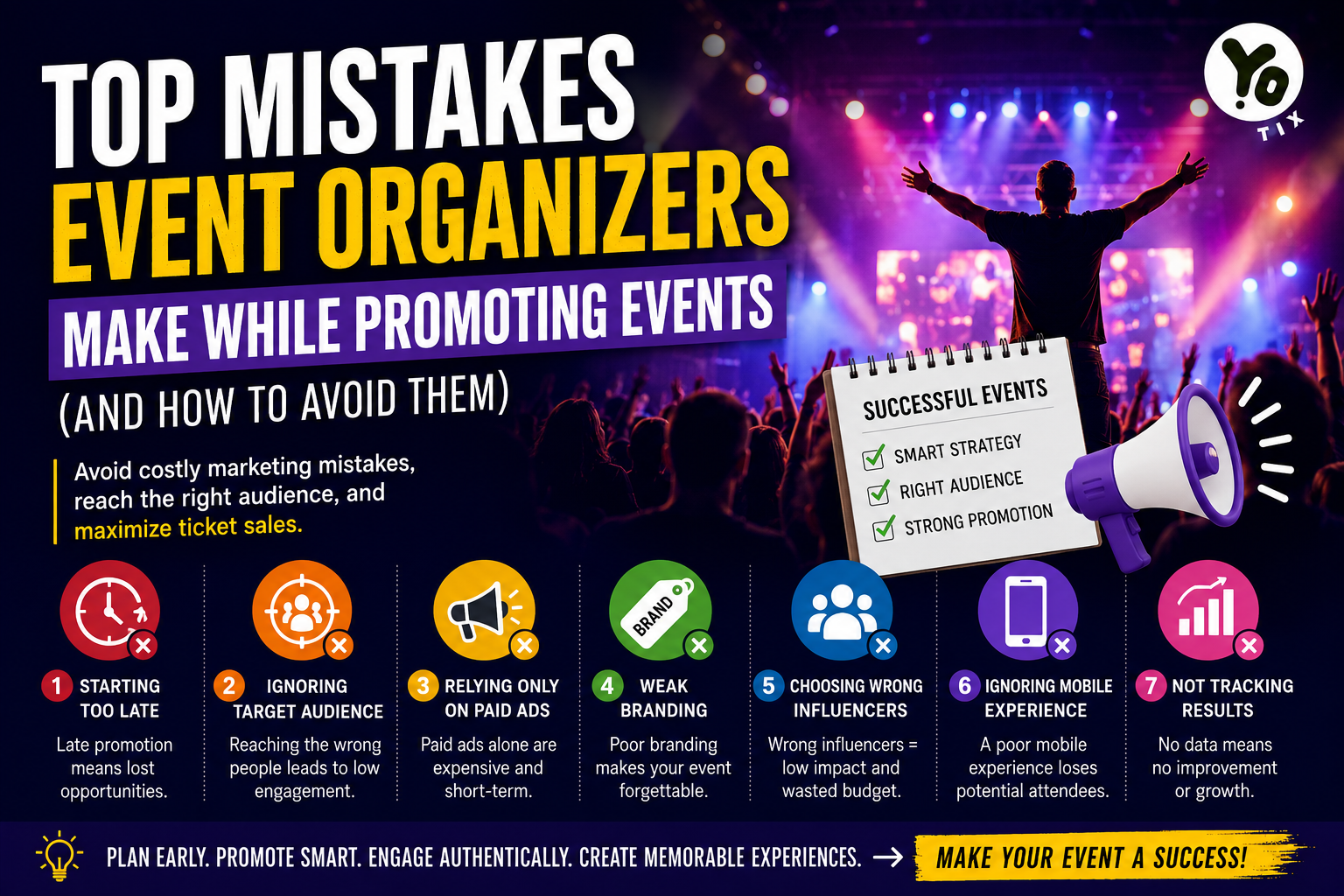
The event industry has become one of the most competitive and fast-moving industries in the digital era. From concerts and exhibitions to sports events, conferences, trade shows, and festivals, organizers are constantly competing for audience attention. However, creating an amazing event is only half the battle. The real challenge lies in promoting it effectively.
Many events fail not because the experience was poor, but because people simply never heard about it or were not convinced to attend. In fact, industry reports suggest that nearly 60% of event organizers consider audience engagement and promotion their biggest challenge.
Modern audiences are flooded with advertisements, social media content, and entertainment options every day. This means event marketing strategies must now be smarter, faster, and more data-driven than ever before.
Unfortunately, many organizers still make critical promotional mistakes that reduce ticket sales, weaken audience engagement, and hurt overall event success.
Here are the biggest mistakes event organizers make while promoting events — and how to avoid them.
Why Event Promotion Matters More Than Ever?
The event industry is growing rapidly, but so is the competition. From music concerts and trade shows to corporate conferences and cultural festivals, thousands of events compete for audience attention every single day. In today’s digital-first world, simply organizing a great event is not enough. Success depends heavily on how effectively the event is promoted online and offline.
Modern audiences discover events through:
- Google Search
- AI-powered recommendations
- Social media platforms
- Influencer marketing
- YouTube videos
- Email campaigns
- Event listing websites
Nearly 80% of event attendees discover events online, while over 70% of users browse event websites using mobile devices. This shift means event organizers must now focus on SEO, audience targeting, mobile experiences, and engaging digital content to remain competitive.
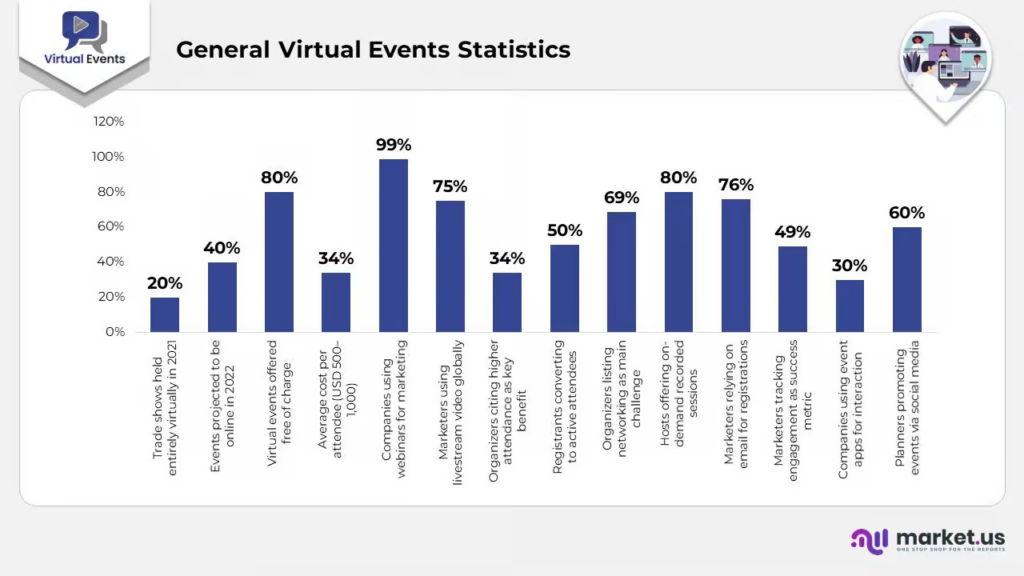
Source: (Market.Us)
Without a proper promotion strategy, even high-quality events can struggle with poor ticket sales and low audience engagement.
Common Event Promotion Mistakes That Hurt Ticket Sales
Many event organizers unknowingly make marketing mistakes that reduce visibility, weaken audience trust, and negatively impact ticket sales. From poor branding and weak SEO strategies to late promotions and ineffective influencer partnerships, these mistakes can significantly affect event success.
Understanding these challenges helps organizers improve:
- Audience reach
- Organic traffic
- Search engine visibility
- Engagement rates
- Ticket conversions
- Long-term event growth
Below are the biggest mistakes event organizers make while promoting events and how to avoid them.
Starting Event Promotion Too Late
One of the most common mistakes event organizers make is delaying marketing until the final few weeks before the event.
Successful events often begin promotion months in advance using:
- Teaser campaigns
- Early-bird ticket launches
- Influencer collaborations
- Countdown content
- Email marketing
Research suggests audiences need multiple interactions before making a purchase decision. Starting early helps build awareness gradually while improving online visibility.
Why This Hurts SEO?
Search engines reward content that gains traffic and engagement consistently over time. Late promotions reduce:
- Organic search visibility
- Social engagement
- Website indexing opportunities
- Keyword rankings
Early promotion allows event pages and blogs to rank higher for relevant searches.
Ignoring Audience Targeting
Many organizers waste marketing budgets by promoting events to the wrong audience.
Every event has a unique target audience based on:
- Age
- Interests
- Location
- Spending behavior
- Entertainment preferences
A business networking conference audience behaves differently from music festival attendees or gaming communities.
According to marketing studies, personalized campaigns can improve conversion rates by over 80% compared to generic advertising.
How AI Improves Audience Targeting?
Modern AI-powered tools help event organizers:
- Analyze audience behavior
- Predict ticket-buying trends
- Improve ad targeting
- Personalize promotions
Data-driven marketing creates more effective campaigns while reducing wasted advertising spend.
Relying Only on Paid Advertising
Many event organizers depend entirely on Facebook Ads, Instagram Ads, or Google Ads for ticket sales.
While paid ads are useful, relying only on them can become expensive and unsustainable.
Successful event promotion combines:
- SEO content marketing
- Influencer marketing
- Email campaigns
- Organic social media
- Referral campaigns
- PR and media coverage
This multi-channel strategy creates stronger brand visibility and long-term audience growth.
Why Organic Traffic Matters?
Organic traffic from Google and AI search platforms often brings highly interested users who are actively searching for events.
SEO-optimized event blogs can:
- Increase website traffic
- Improve keyword rankings
- Build audience trust
- Reduce marketing costs
Weak Event Branding
Poor branding is another major reason many events fail to attract attention.
Generic visuals, inconsistent messaging, and low-quality promotional materials make events forgettable.
Strong branding helps create:
- Emotional audience connection
- Higher social sharing
- Better audience recall
- Stronger online visibility
Successful event branding includes:
- Professional design
- Consistent color themes
- Clear messaging
- Unique event identity
- Memorable visuals
Studies show consistent branding significantly improves audience recognition and trust.
Failing to Create FOMO
Fear of missing out (FOMO) is one of the strongest psychological drivers in event marketing.
Audiences are more likely to purchase tickets when they feel:
- Tickets may sell out
- Exclusive experiences are available
- Other people are excited about the event
Many organizers fail to create urgency in their campaigns.
Effective FOMO Strategies
Successful event marketers use:
- Countdown timers
- VIP previews
- Limited ticket announcements
- Influencer hype
- Behind-the-scenes content
- Exclusive offers
These strategies encourage faster audience action and improve ticket conversions.
Ignoring Mobile Optimization
Most audiences now discover and purchase tickets through smartphones.
Research shows that over 70% of event website traffic comes from mobile devices, yet many event websites still provide poor mobile experiences.
Common problems include:
- Slow loading speeds
- Complicated checkout processes
- Poor mobile layouts
- Broken registration forms
Why Mobile Optimization Matters?
A mobile-friendly website improves:
- Search rankings
- User experience
- Ticket sales
- Audience retention
- Bounce rates
Google also prioritizes mobile-friendly websites in search results.
Choosing the Wrong Influencers
Influencer marketing remains highly effective, but many organizers choose influencers based only on follower count instead of audience engagement.
Micro-influencers often deliver better results because their audiences are more loyal and community-focused.
For local events and Festivals in San-jose, regional creators and community influencers often build stronger audience trust than large celebrity accounts.
Benefits of the Right Influencer Partnerships
The right creators can help:
- Increase event awareness
- Improve ticket sales
- Build credibility
- Generate viral content
- Boost social engagement
Authentic influencer collaborations outperform overly scripted promotions.
Not Using Video Content Properly
Video marketing has become one of the most powerful event promotion tools.
Platforms like:
- TikTok
- Instagram Reels
- YouTube Shorts
now dominate audience attention.
Research shows video content generates significantly higher engagement compared to static image posts.
Effective Event Video Ideas
Successful event videos include:
- Behind-the-scenes footage
- Crowd reactions
- Event teasers
- Artist interviews
- Venue previews
- Countdown reels
Video content also improves:
- Search visibility
- Audience retention
- Social media engagement
Ignoring SEO & AI Search Optimization
One of the biggest modern marketing mistakes is failing to optimize event content for search engines and AI-powered search systems.
Today, users search for:
- Concerts near me
- Music festivals
- Corporate events
- Networking conferences
- Entertainment events
through Google, AI assistants, and recommendation engines.
SEO Strategies for Event Websites
To rank higher in search results, event websites should include:
- High-search keywords
- FAQ sections
- Fast loading speeds
- Mobile optimization
- Structured headings
- Informative blog content
- Internal linking
AI-powered search platforms prioritize content that is informative, structured, and user-focused.
Ignoring Post-Event Engagement
Many organizers stop marketing once the event ends.
This is a major missed opportunity because post-event engagement helps build long-term audience loyalty.
Effective Post-Event Strategies
Successful organizers continue engagement through:
- Highlight videos
- Photo galleries
- Audience testimonials
- Thank-you emails
- Feedback surveys
- Future event announcements
Studies show retaining existing customers is often cheaper than acquiring new audiences.
Strong event communities help increase repeat attendance and long-term growth.
Final Thoughts
Event promotion has become more competitive, data-driven, and technology-focused than ever before. Successful organizers are no longer relying only on advertisements — they are building complete audience experiences through SEO, AI-driven targeting, video marketing, influencer collaborations, and community engagement.
Avoiding common mistakes such as late promotions, poor branding, weak SEO, and ineffective targeting can dramatically improve event visibility and ticket sales.
In today’s digital landscape, smart event marketing is not optional. It is the foundation of successful events, stronger audience engagement, and long-term brand growth.
FAQs
What is the biggest mistake event organizers make while promoting events?
Starting promotions too late is one of the biggest mistakes because it reduces audience awareness and search visibility.
Why is SEO important for event promotion?
SEO helps event websites rank higher on Google and AI search platforms, increasing organic traffic and ticket sales.
How does influencer marketing help events?
Influencers create authentic content, build audience trust, and improve event visibility across social media platforms.
Why is mobile optimization important for event websites?
Most users browse and buy tickets on smartphones. Mobile-friendly websites improve user experience and search rankings.
How can organizers improve event ticket sales?
Organizers can improve ticket sales through audience targeting, SEO optimization, influencer collaborations, email marketing, and engaging video content.
What role does AI play in event marketing?
AI helps analyze audience behavior, improve targeting, predict ticket trends, and optimize marketing campaigns.
Why is video content effective for event promotion?
Video content increases audience engagement, improves social sharing, and helps audiences emotionally connect with the event experience.
How can event organizers create FOMO?
Using countdowns, VIP previews, limited tickets, and influencer-generated hype can create urgency and excitement around events.