

How Online Events Are Creating New Revenue Models for Creators and Event Organizers?
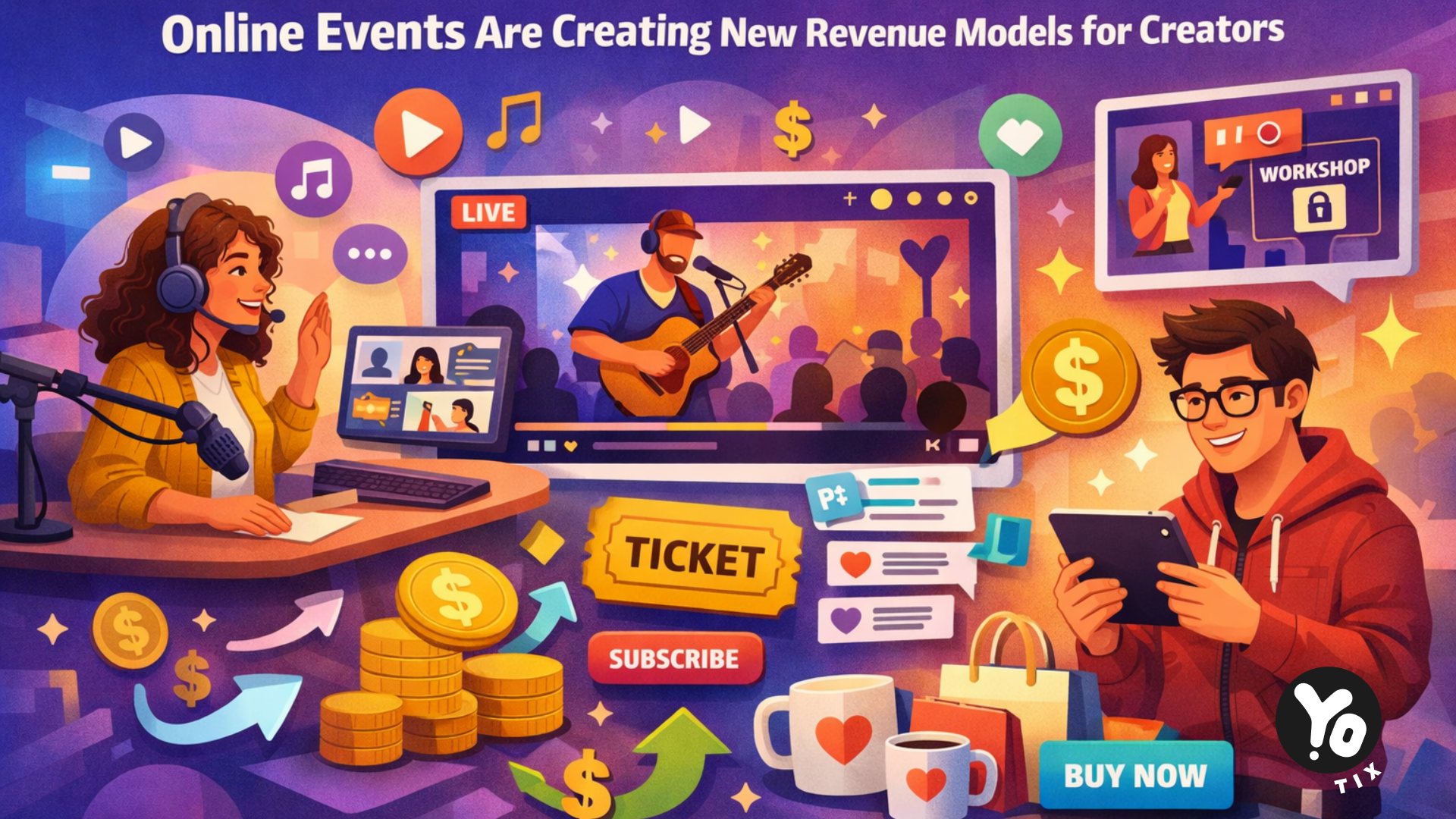
The events industry is undergoing one of the biggest structural shifts in its history. What started as a digital alternative has evolved into a primary revenue channel. Online and hybrid events are no longer just convenient — they are profitable, scalable, and data-driven. For creators and event organizers, this transformation has unlocked entirely new monetization models that go far beyond traditional ticket sales.
Today’s creators want ownership, recurring income, and direct audience monetization. Event organizers want scalable formats, higher margins, and measurable ROI. Online events sit exactly at this intersection — and the numbers strongly support this trend.
Industry research consistently shows that virtual and hybrid events are now a permanent part of the global event economy, with strong revenue potential for organizers who adopt the right strategies and platforms such as Yotix.
Let’s explore how online events are building new revenue models — supported by practical strategies and real industry statistics.
Market Shift: Online and Hybrid Events Are Now Mainstream
Online events are not a temporary trend — they are now embedded in organizer strategy worldwide.
Key industry statistics:
- Virtual events market is estimated to reach USD 297.16 billion by 2030
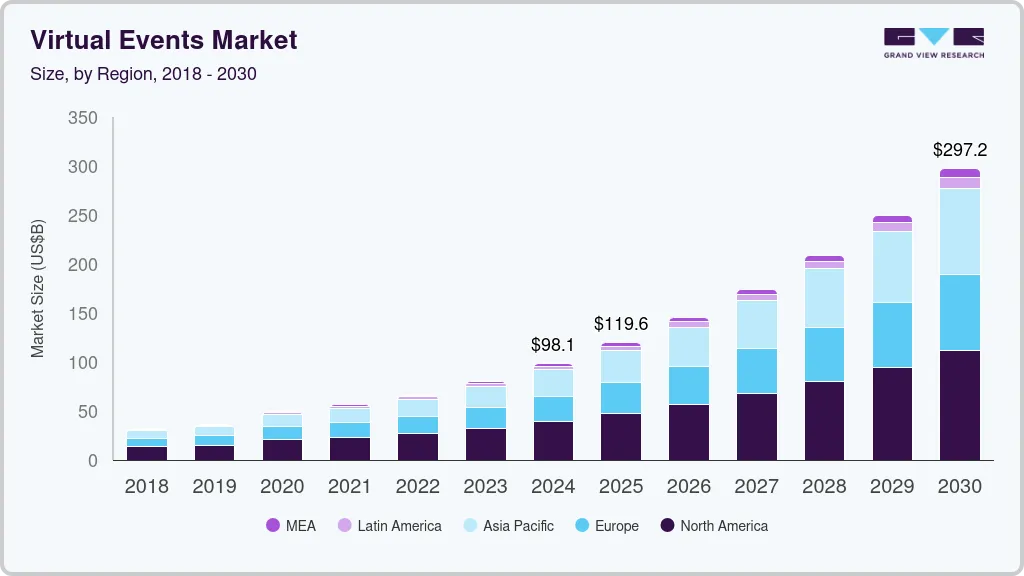
Source: (Grand View Research)
- More than 70% of event organizers now run hybrid formats
- Surveys show 60–65% of attendees prefer at least some virtual attendance options
- Hybrid events typically increase total audience reach by 2x to 5x
- Digital access options increase total ticket revenue by 25–40% on average
For organizers, this means one critical thing: online access is no longer optional — it is a revenue multiplier.
The Evolution: From One-Time Events to Revenue Ecosystems
Traditional event monetization was simple: sell tickets, secure sponsors, and manage attendance. Revenue was tied to how many people could physically show up. Once the event ended, revenue stopped.
Online events changed that equation completely.
Now, a single event can generate income before, during, and long after it goes live. Organizers can monetize registrations, premium access, digital add-ons, replays, memberships, and creator collaborations — all within one event lifecycle.
Instead of a one-day revenue spike, events can now become long-tail digital assets.
Why Creators Are Driving the Online Event Boom?
Creators today are not just content producers — they are community builders. Their audiences are highly engaged and willing to pay for direct access, deeper learning, and exclusive experiences. However, creators often lack infrastructure. That’s where event organizers step in.
Organizers who provide structured, secure, and monetized online event environments become valuable partners to creators.
Creators prefer online events because they offer:
- Direct audience monetization
- No dependency on ad algorithms
- Global reach
- Flexible scheduling
- Controlled access
- Better revenue share
- Ownership of audience data
When organizers design creator-friendly event frameworks, conversion rates rise significantly.
Direct Ticketing Has Become More Powerful — and More Flexible
Online events allow organizers to move beyond flat ticket pricing. Instead of one entry price, you can design layered ticket structures that increase average revenue per attendee.
Modern ticketing options include:
- Standard digital entry passes
- Early bird pricing
- VIP access tiers
- Creator interaction passes
- Workshop bundle tickets
- Multi-session passes
- Group access tickets
- Corporate viewing licenses
Because distribution is digital, there is no incremental cost per seat. This allows organizers to scale attendance without scaling expenses. Removing physical capacity limits increases ticket scalability by up to 10x.
For example, when audiences search for discovery terms like events this week in Los Angeles, organizers can offer both in-person and virtual ticket options — capturing revenue from attendees who cannot physically attend but still want access.
Tiered Experiences Increase Revenue Without Raising Base Prices
One of the most effective monetization strategies is tiered experience design. Not every attendee wants the same level of access. Some want basic viewing. Others want deeper interaction. VIP and premium passes typically account for only 10–20% of buyers but generate 30–45% of ticket revenue
Organizers can structure events like this:
Tier 1 — Access Pass
- Live stream entry
- Basic chat participation
Tier 2 — Pro Pass
- Live + replay access
- Downloadable materials
- Extended sessions
Tier 3 — VIP Creator Pass
- Small group session
- Direct Q&A
- Private networking room
- Bonus content
This model keeps entry affordable while unlocking premium revenue from highly engaged attendees.
Online Events Enable Recurring Revenue Models
One of the biggest financial advantages of online events is the ability to create recurring event series instead of one-time programs.
Recurring formats include:
- Monthly masterclasses
- Weekly training sessions
- Creator talk series
- Industry update briefings
- Member-only live sessions
- Subscription event clubs
Recurring events reduce marketing cost per session and build predictable revenue. Instead of constantly chasing new attendees, organizers build returning communities.
Over time, recurring events often outperform one-off events in total revenue and engagement.
Hybrid Events Multiply Monetization Channels
Hybrid events — where physical and online experiences run together — are proving to be the most profitable format for many organizers.
Hybrid models allow:
- Physical ticket revenue
- Virtual ticket revenue
- Premium online-only sessions
- Digital backstage access
- Remote networking rooms
- Global creator participation
A regional event can suddenly become global. For instance, someone exploring events in Newark might discover a hybrid event and purchase a virtual access pass — revenue that would not exist in a purely offline model.
Hybrid is not just inclusive — it is financially strategic.
On-Demand Replay Sales Create Long-Tail Income
In physical events, value disappears when the session ends. Online events can be recorded, packaged, and resold. 35–55% of registrants watch replays instead of live sessions.
Organizers can generate post-event revenue through:
- Paid replay passes
- Session bundles
- Topic-based collections
- Course-style packaging
- Premium archives
- Creator knowledge libraries
Many event organizers report that replay sales generate 20 to 40% additional revenue beyond the live event itself when packaged properly.
Sponsor Revenue is Easier to Justify and Price
Online events give sponsors something they value highly: measurable engagement.
Instead of estimating exposure, organizers can provide real data:
- Session attendance numbers
- Watch time
- Interaction rates
- Click-through metrics
- Booth visit counts
- Lead capture totals
This makes sponsorship packages more attractive and easier to sell at higher rates.
New sponsor formats include:
- Sponsored digital stages
- Branded session tracks
- Creator co-hosted segments
- Interactive sponsor demos
- Digital swag distribution
- Sponsored breakout rooms
Sponsors increasingly prefer measurable digital exposure over passive logo placement.
Creator Commerce and Merch Integration
Online events create ideal moments for creator-driven commerce. Because attention is focused and engagement is high, purchase intent increases.
Organizers can integrate:
- Limited-time merchandise drops
- Creator product launches
- Affiliate recommendations
- Tool and software demos
- Exclusive bundles
Time-bound event offers often convert better than always-available store listings.
Community Access as a Revenue Product
Many organizers are now monetizing community access itself. Instead of selling only event entries, they sell ongoing access to a creator or topic community.
Examples include:
- Paid networking groups
- Private discussion channels
- Member forums
- Creator circles
- Expert clubs
Online events act as entry points into these communities, which then generate subscription revenue.
Data and Analytics Improve Revenue Decisions
Online event platforms provide real-time analytics that help organizers refine monetization strategies.
Useful insights include:
- Ticket price sensitivity
- Drop-off points
- Engagement peaks
- Popular topics
- Conversion funnels
- Audience geography
This allows smarter pricing, better scheduling, and improved event design — leading to higher revenue over time.
Security and Verified Access Protect Revenue
Revenue leakage through ticket sharing and unauthorized access has historically hurt online events. Modern secure ticketing systems now address this through:
- Identity-linked tickets
- Controlled device access
- Anti-scalping protection
- Verification layers
- Secure QR or ID-based entry
- AI-powered fraud detection
Secure ticketing builds trust and protects organizer earnings. Platforms built with anti-scalping and verification at the core — such as Yotix — are particularly well suited for monetized creator and hybrid events.
Lower Cost = Higher Profit Margins
Online events significantly reduce operational expenses:
- No venue rental
- Reduced staffing
- Lower logistics cost
- No travel expenses
- No printed materials
- Minimal infrastructure overhead
Lower costs mean higher profit margins even at moderate ticket volumes.
Organizers can also run more frequent events without operational strain.
Faster Experimentation and Innovation
Because setup costs are lower, organizers can experiment more freely with:
- Niche topics
- Micro-events
- Short-form sessions
- Creator pilot programs
- Regional test markets
This rapid experimentation leads to faster discovery of profitable formats.
The Future: Organizer + Creator Revenue Partnerships
The most successful event organizers are evolving from service providers into creator revenue partners. They provide platforms, monetization systems, audience access, and automation — while creators bring communities and content.
This partnership model produces:
- Higher conversion rates
- Repeat event series
- Community retention
- Shared revenue growth
- Stronger brand ecosystems
Technology platforms that support automation, secure ticketing, and creator monetization — like Yotix — make these partnerships scalable and repeatable.
Conclusion
Online events have transformed from temporary digital substitutes into powerful, multi-layered revenue systems. For event organizers, they offer scalability, recurring income, global reach, creator partnerships, and data-driven optimization — all while lowering operational risk.
Organizers who embrace online and hybrid monetization strategies are not just adapting — they are expanding their revenue potential. By combining secure ticketing, tiered access models, creator collaboration, and recurring event design, today’s organizers can build sustainable event businesses that grow year after year — especially when powered by modern platforms like Yotix.
FAQs
How do online events generate revenue for event organizers?
Online events generate revenue through multiple channels, including digital ticket sales, tiered access passes, VIP experiences, sponsorship placements, paid replays, subscription communities, and creator-led workshops. Unlike traditional events, revenue can continue even after the live session through on-demand access and bundled content sales.
Are online events as profitable as physical events?
In many cases, yes — and sometimes more profitable. Online events typically have lower operational costs and no venue limitations. Because infrastructure and logistics costs are reduced, organizers often achieve higher profit margins even when ticket prices are lower.
What is the biggest financial advantage of hybrid events?
Hybrid events allow organizers to earn from both in-person and virtual audiences at the same time. This expands reach without doubling costs. Hybrid formats often increase total attendance and open additional monetization options such as virtual passes, digital sponsor slots, and replay sales.
How can tiered ticketing increase event revenue?
Tiered ticketing allows organizers to offer multiple pricing levels — such as standard, premium, and VIP — with different benefits. This increases average revenue per attendee because highly engaged participants are willing to pay more for added access, creator interaction, or exclusive content.
Do creators really convert better than brand-only events?
Yes. Creator-led events often see higher engagement and ticket conversion because creators bring trusted communities. Audiences are more likely to pay for access when they feel a direct connection with the host or expert leading the event.
Can small or niche events make good money online?
Absolutely. Niche online events often perform well because they target specific interests and motivated audiences. Smaller, focused groups frequently show higher engagement and higher willingness to pay compared to broad, general-interest events.
How do online events help with recurring revenue?
Organizers can run recurring online event series such as monthly masterclasses, weekly expert sessions, or member-only workshops. These models support subscription or membership pricing, which creates predictable and repeatable revenue instead of one-time earnings.
Is it possible to earn revenue after the live event ends?
Yes. Recorded sessions can be sold as replay passes, bundled into content libraries, or repackaged as course-style products. Many organizers generate meaningful additional revenue from post-event on-demand access.
How do sponsors benefit from online events?
Online events provide measurable sponsor value through analytics such as session views, click rates, lead captures, and engagement time. Because results are trackable, sponsors often see clearer ROI, making sponsorship packages easier to sell and renew.
How important is secure ticketing for online event revenue?
Secure ticketing is critical. Identity-linked and anti-scalping ticket systems help prevent unauthorized sharing and resale abuse. This protects premium pricing, maintains fairness, and increases buyer trust — all of which support higher revenue.
How can organizers attract audiences searching for local events but offer online access?
Organizers can optimize event listings and content around local discovery searches while offering virtual ticket options. For example, people searching for city-based events may still purchase online access if travel is not possible, expanding the revenue pool.
What features should organizers look for in an online event platform?
Organizers should look for secure ticketing, tiered pricing support, anti-scalping protection, creator monetization tools, hybrid event capability, analytics dashboards, and automated event workflows — features that platforms like Yotix are designed to provide.