

Common Challenges of Hosting Online Events (And How to Solve Them)
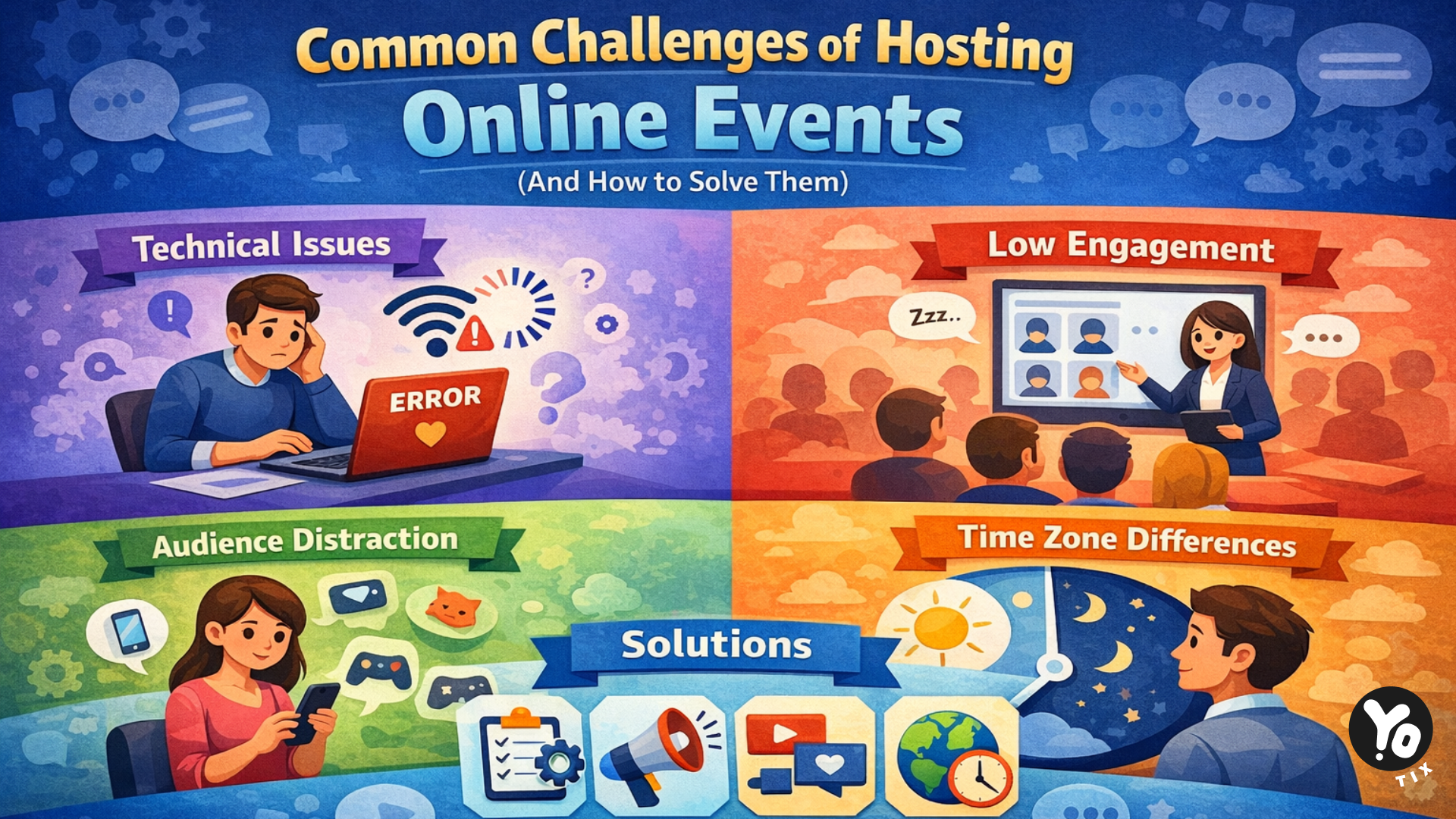
Online events have become a permanent part of the event industry. What started as a necessity during global lockdowns has now evolved into a preferred format for many organizers. Virtual conferences, webinars, online workshops, digital concerts, and hybrid events allow brands and creators to reach global audiences without the high costs of physical venues.
In fact, industry research shows that more than 85% of event organizers plan to continue hosting online or hybrid events long term, even as in-person gatherings return. The reasons are clear: wider reach, better data, lower costs, and flexible formats.
However, hosting an online event is not as simple as “going live.” Behind every successful virtual event is careful planning, the right technology, and an understanding of common challenges that can easily derail the experience.
This blog breaks down the most common challenges of hosting online events, supported by real-world statistics—and explains practical ways to solve them.
Hosting Online Events: What It Is
Hosting online events refers to the process of planning, organizing, and executing events entirely in a digital environment, rather than in a physical location. These events leverage technology, such as video conferencing tools, streaming platforms, and virtual event software, to connect hosts, presenters, and participants across different locations.
Unlike traditional in-person events, online events remove geographical barriers, allowing attendees from anywhere in the world to join without traveling. They can range from small-scale webinars to large-scale virtual conferences, workshops, concerts, or trade shows.
Key Features of Online Events
- Digital Platforms: Platforms like Zoom, Microsoft Teams, Webex, or specialized event software like Yotix provide the infrastructure for online events.
- Interactive Tools: Features like live polls, Q&A sessions, breakout rooms, chat, and gamification enhance engagement.
- Accessibility: Attendees can join via desktop, laptop, or mobile devices. Many platforms also support on-demand content for post-event viewing.
- Analytics & Tracking: Online events allow organizers to track registration, attendance, engagement, and behavior, which helps measure ROI.
- Cost Efficiency: Be your hosting events in New Jersey or Los-angeles. Hosting online events often reduces costs associated with venues, travel, catering, and printed materials.
Common Types of Online Events
- Webinars: Single-session, educational or informative sessions targeting a niche audience.
- Virtual Conferences: Multi-day events with multiple sessions, keynote speakers, and workshops.
- Workshops & Training: Interactive learning experiences with hands-on exercises or certifications.
- Virtual Concerts or Performances: Live or pre-recorded entertainment streamed to an online audience.
- Networking Events & Meetups: Sessions designed for attendees to connect and collaborate digitally.
Benefits of Hosting Online Events
- Global Reach: Access attendees from multiple countries simultaneously.
- Flexibility: Participants can join from anywhere without logistical constraints.
- Data Insights: Track engagement metrics, session popularity, and audience behavior.
- Sustainability: Reduce carbon footprint by eliminating travel and paper use.
- Scalability: Easily scale up or down based on audience size and event format.
How to Solve Common Challenges of Hosting Online Events?
Hosting online events comes with unique challenges, but most of them can be mitigated with careful planning, the right technology, and audience-focused strategies. Here’s a breakdown of common hurdles and practical solutions:
Audience Engagement Is Harder to Maintain Online
One of the biggest challenges with online events is keeping people engaged. Unlike in-person events, virtual attendees are surrounded by distractions—emails, phone notifications, social media, and everyday responsibilities.
Studies suggest that the average online attendee’s attention span drops after 10–15 minutes if there’s no interaction. This is why many online events see declining attendance as sessions progress.
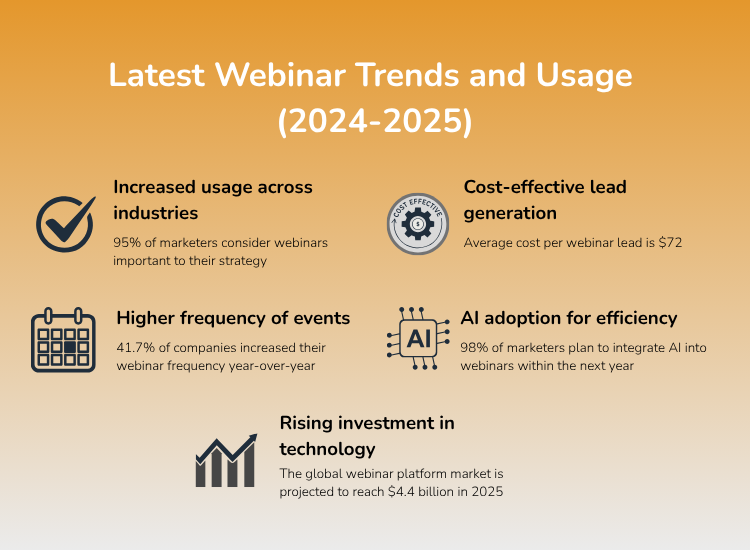
Source: (TelePrompter)
How to solve it
- Design shorter, focused sessions instead of long lectures
- Use live polls, chat, Q&A, and audience reactions
- Encourage speakers to ask questions and respond to comments
- Include videos, visuals, and real-world examples
Interactive sessions can improve attendee retention by up to 40%. Engagement doesn’t happen automatically—it has to be designed intentionally.
Technical Issues Can Instantly Damage Trust
Technical problems are one of the fastest ways to lose attendees. Audio glitches, video lag, platform crashes, or login issues create frustration and make your event feel unprofessional.
Research shows that 35–40% of attendees will leave an online event early if they experience technical issues, and many won’t return for future events hosted by the same organizer.
How to solve it
- Choose a stable, scalable event hosting platform
- Conduct full rehearsals with speakers and moderators
- Test internet connections, microphones, and cameras
- Have a dedicated tech support team during the event
A smooth technical experience may go unnoticed—but when it fails, it becomes the only thing people remember.
High Registrations but Low Attendance (No-Show Problem)
A common frustration for event organizers is seeing thousands of registrations but far fewer people actually attend. On average, online events experience a 30–50% no-show rate, especially if the event is free.
This doesn’t mean people aren’t interested—it often means they forgot, got distracted, or didn’t see enough value to prioritize attending.
How to solve it
- Send reminder emails 24 hours and 1 hour before the event
- Add calendar integration at registration
- Clearly communicate what attendees will learn or gain
- Offer limited-time or exclusive live-only content
Even small changes in reminder strategy can significantly improve attendance rates.
Monetizing Online Events Feels Uncertain
Many organizers hesitate to charge for online events, assuming audiences won’t pay for virtual experiences. However, data tells a different story.
Reports indicate that paid online events with strong value propositions can generate profit margins 20–25% higher than physical events, mainly due to reduced costs like venue rentals, travel, and logistics.
How to solve it
- Offer tiered ticket pricing (free, standard, premium, VIP)
- Include bonuses such as recordings, certificates, or private sessions
- Use sponsorships, branded sessions, or virtual booths
- Secure ticket access to prevent sharing or piracy
People don’t pay for “online”—they pay for expertise, access, and outcomes.
Security and Unauthorized Access Risks
Online events are vulnerable to link sharing, fake registrations, and unwanted disruptions. Without proper safeguards, paid events can quickly lose revenue and credibility.
Industry data shows that over 25% of online events experience some form of access misuse when security measures are weak.
How to solve it
- Use unique, non-transferable access links
- Enable email or ID-based verification
- Lock sessions after they begin
- Monitor attendees and remove suspicious activity
Strong security protects both your brand reputation and your revenue.
Managing Too Many Tools and Tasks at Once
Hosting an online big event involves registration, ticketing, email communication, speaker coordination, live sessions, analytics, and customer support. Using multiple disconnected tools makes this even harder.
Surveys reveal that event teams using fragmented systems spend up to 40% more time on manual coordination compared to teams using all-in-one platforms.
How to solve it
- Use an integrated event management and ticketing platform
- Automate confirmations, reminders, and follow-ups
- Track registrations, attendance, and engagement from one dashboard
- Clearly assign roles within your team
Automation reduces errors and frees your team to focus on the attendee experience.
Speaker Coordination and Content Quality Issues
Not all speakers are comfortable presenting online. Some struggle with technology, time management, or delivering engaging virtual content.
Research shows that nearly 1 in 3 online events face speaker-related technical or presentation issues during live sessions.
How to solve it
- Schedule speaker rehearsals and tech checks
- Share clear guidelines on timing, format, and tools
- Encourage pre-recorded backup sessions
- Assign a dedicated support contact for each speaker
Well-prepared speakers dramatically improve the quality of your event.
Lack of Meaningful Networking Opportunities
Networking is one of the top reasons people attend an event in San-francisco or another country of their choice. Yet over 60% of virtual event attendees say they feel online events lack real networking opportunities.
Without intentional design, online events can feel isolating.
How to solve it
- Use breakout rooms for small group discussions
- Offer interest-based or AI-powered matchmaking
- Enable attendee profiles and direct messaging
- Schedule dedicated networking sessions
When networking is built into the agenda, attendee satisfaction increases significantly.
Difficulty Measuring Event Success Accurately
Many organizers judge success based only on registrations or attendance numbers. But these metrics don’t tell the full story.
How to solve it
- Track engagement metrics like session duration and interaction rates
- Analyze session drop-off points
- Collect post-event feedback surveys
- Measure conversions such as leads, sign-ups, or sales
Data-driven insights help you improve future events instead of guessing what worked.
Losing Momentum After the Event Ends
Once the live sessions are over, many organizers stop engaging with attendees. This is a missed opportunity.
Studies show that repurposing event content can increase overall event ROI by up to 3 times, especially when recordings and highlights are reused strategically.
How to solve it
- Share recordings and key takeaways
- Send follow-up emails with resources and next steps
- Repurpose content into blogs, short clips, or social posts
- Invite attendees to upcoming events or communities
A strong post-event strategy extends the life—and value—of your event.
Final Thoughts
Hosting online events comes with real challenges—but none of them are impossible to overcome. With the right preparation, tools, and data-backed strategies, online events can be just as impactful as in-person ones.
From engagement and monetization to security and analytics, the key is understanding potential problems before they happen and building systems to address them early.
When done right, online events are scalable, cost-efficient, measurable, and highly rewarding—for both organizers and attendees.
Frequently Asked Questions (FAQs)
What are the most common challenges faced when hosting online events?
The primary challenges include technical difficulties (like poor internet or platform glitches), low engagement, time zone differences, security concerns, and platform limitations. Many organisers also struggle to measure ROI or provide meaningful networking opportunities. Recognizing these issues early helps in proactive planning and ensures smoother event execution.
How can I ensure my online event platform is reliable?
Reliability comes from selecting platforms with robust server capacity, mobile support, and backup options. Conduct multiple test runs, including live rehearsals, and provide clear instructions to both speakers and attendees. Platforms with analytics and integration capabilities also reduce friction during live events.
How can I increase attendee engagement during virtual events?
Engagement can be improved using interactive features such as live polls, Q&A sessions, breakout rooms, gamification, and social chat tools. Short, focused sessions tend to retain attention better than long presentations. Personalized content and opportunities for networking also increase participation.
What strategies reduce low attendance rates for online events?
To improve attendance, send strategic email reminders — one week, one day, and one hour before the event. Offer incentives for attending live, such as exclusive content or access to live networking. Keep sessions concise, appealing, and relevant to the audience. On-demand recordings can also help reach those who miss the live event.
How do I manage global audiences across different time zones?
You can either schedule multiple sessions to cater to various regions or provide on-demand recordings. Additionally, include a time zone converter in your registration page and reminders to ensure attendees can join at the correct time.
How can I measure the success and ROI of my online event?
Set clear KPIs beforehand, such as registration numbers, attendance rate, engagement metrics, lead generation, and post-event survey feedback. Use analytics tools from your platform or integrate with CRM/marketing automation software to track participant behavior and conversion.
What security measures should I take for online events?
Use platforms that offer secure login, encryption, and access control features. Implement multi-factor authentication for hosts and speakers, monitor sessions to prevent unauthorized access, and educate your team about security best practices. This protects sensitive data and maintains trust with your audience.
How can I create meaningful networking opportunities in virtual events?
Virtual networking can be achieved through structured breakout sessions, matchmaking algorithms that connect attendees with similar interests, chat rooms, or interactive social hubs. Gamified networking activities or incentivized interaction can also encourage connections among participants.
Are online events effective for lead generation and business growth?
Yes, when executed strategically, virtual events can drive lead generation, brand awareness, and sales. Capturing attendee data, providing valuable content, and following up with personalized campaigns turns virtual events into a strong part of your marketing funnel.
How do I avoid technical failures during live events?
Technical failures are common but preventable. Perform comprehensive testing of all hardware, software, and internet connections before the event. Have backup systems in place, like an alternative internet source or secondary platform. Assign a dedicated technical support team to handle live troubleshooting instantly.