

Best Ticketing Platforms for Festivals and Concerts: Guide for Event Organizers
Whether you’re planning massive music festivals, intimate yoga gatherings, or unforgettable concerts, choosing the right ticketing platform can make or break your event. For event organizers seeking seamless, scalable, and smart ticketing solutions, the landscape today is filled with powerful platforms — but not all are created equal.
In this guide, we’ll break down the top ticketing platforms for festivals and concerts, explain what makes each unique, and help you figure out which one is best for your next event. If you’re ready to scale attendance, reduce manual work, boost revenue, and improve attendee experience, this blog is for you.
Why Ticketing Platforms Matter More Than Ever
In the last decade, the events industry has completely transformed. Attendees expect frictionless ticket purchases, mobile wallet integrations, secure entry scanning, and instant customer support. According to industry data:
- Ticket sales through digital platforms have grown by over 45% globally since 2019.
- Mobile ticketing adoption now exceeds 70% across major markets.
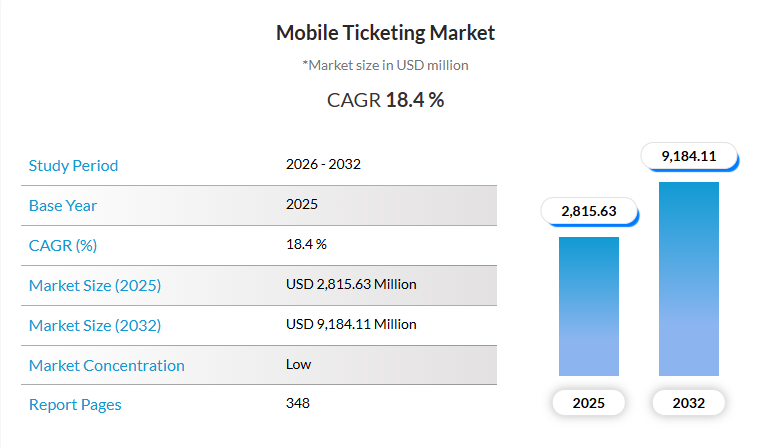
Source: (Reanin)
- Up to 30% of organizers say lost revenue comes from ticket fraud or inefficient ticketing systems.
With concerts, festivals, and community experiences exploding in popularity, event tech is no longer optional — it’s mission-critical.
Top Ticketing Platforms for Festivals and Concerts in 2026 and Beyond
Here’s a breakdown of the leading platforms that deserve a spot on your radar as an event organizer.
Yotix — AI-Powered Next-Gen Ticketing (Best for Flexibility & Control)
Yotix is redefining how organizers sell tickets and manage crowds. Built with anti-scalping safeguards, integrated ID verification, and AI insights, this platform empowers hosts to run events with confidence and transparency.
Why Yotix stands out:
- Dynamic pricing models
- AI-driven upsell and engagement tools
- Zero scalping and bot protection
- Deep attendee analytics
- Customizable mobile app widgets
Perfect for concerts, festivals, and even niche experiences like underground parties, Yotix gives organizers unprecedented control without compromise.
Eventbrite — The Industry Standard
Eventbrite has long been a go-to choice for festivals and concerts, thanks to its intuitive interface and solid integrations.
Pros:
- Massive audience reach
- Seamless social media sharing
- Built-in promotions and newsletter tools
Cons:
- Fees can scale with large events
- Limited customization for advanced branding
If you’re hosting community festivals or mainstream concerts, Eventbrite remains a solid baseline solution.
Universe — Flexible & Social-Forward Ticketing
Universe focuses on social engagement, making it ideal for concerts that thrive on buzz and shares.
Highlights:
- Easy mobile checkout
- Social integration and referral incentives
- Discount code and tiered pricing options
For events where pre-event promotion matters (like events in New Jersey or beach festivals), Universe helps drive discovery and social traction.
Ticketmaster — Powerhouse for Large-Scale Shows
If you’re organizing a huge music festival or major arena concert, Ticketmaster’s reach and infrastructure are hard to beat.
Why choose it:
- Unmatched ticket inventory scaling
- Advanced access control systems
- Established trust with consumers
Downside: Higher service fees and less flexibility for independent promoters.
Avochato & Integrations — Communication-Centric Ticketing
While not a traditional ticketing platform, Avochato provides event organizers with powerful texting and automation tools that integrate with ticket sales systems.
Best use:
Real-time updates, event reminders, last-minute ticket pushes, and attendee engagement automations.
Real-World Stats That Matter to Event Organizers
Understanding behavior helps you sell more tickets.
🔹 Mobile Dominance
- Over 75% of ticket purchases happen on mobile devices.
- Mobile wallets (Apple Pay/Google Pay) increase conversions by up to 25%.
🔹 Data-Driven Decisions
Organizers using analytics platforms report a 38% increase in sales conversions due to targeted segmentation and personalized offers.
🔹 Social Proof Sells
Events leveraging influencer marketing see attendance boosts of 20–50%, especially for concerts and cultural festivals.
What Features You Should Look For in a Ticketing Platform?
Here’s a checklist informed by industry trends:
✔️ Scalability: Can it handle tens of thousands of tickets?
✔️ Custom branding: Make the ticketing experience yours.
✔️ Mobile optimization: A must in 2026.
✔️ Anti-fraud technology: Protect revenue and reputation.
✔️ Real-time dashboards: Instant insights for smarter decisions.
✔️ Payment flexibility: Supports global wallets and installment plans.
✔️ Easy check-in tools: QR code scanning, wearable integrations, entry controls.
Platforms that tick these boxes put organizers in control — and that’s the future of festival and concert ticketing.
Use Cases: Which Platform for What Event?
To help you decide, here are typical event types and the platforms best suited for them:
| Event Type | Ideal Platform | Why |
| Massive Festivals | Ticketmaster / Yotix | Scalability & advanced infrastructure |
| Boutique Concerts | Universe / Yotix | Social buzz + engagement |
| Community Fairs | Eventbrite/ Yotix | Easy setup & broad reach |
| Themed Parties | Yotix | Custom promotions + anti-scalping |
| Workshops & Wellness | Yotix / Eventbrite | Smart scheduling + analytics |
This table reflects real organizer priorities — from ticket velocity to attendee experience.
Event Spotlight: Local Examples
Event organizers can learn a lot from what’s thriving in vibrant event hubs:
- Events in Jersey-city often feature community arts, food festivals, and summer concerts. Platforms that support customizable pass types and local promotions excel here.
- On the West Coast, events in San-francisco and parties in San-francisco are gaining momentum with experiential formats and late-night pop-ups.
- Major metro areas like events in Newark and events in Los Angeles have seen a resurgence in hybrid formats blending in-person and digital ticketing experiences.
- For large states like events in California, platforms must support multi-city routing, venue shifts, and dynamic pricing models.
- In LA specifically, organizers are keen on upcoming events in Los Angeles and events this week in Los Angeles dashboards that can push real-time alerts and last-minute discount campaigns.
- Even niche wellness gatherings like Yoga in Los-angeles benefit from ticketing systems that handle tiered access, early-bird passes, and community rewards.
These examples aren’t just aspirational — they show how different use cases demand distinct tech capabilities.
Tips to Maximize Ticket Sales
Here are tried-and-true tactics used by top event promoters:
🔸 Activate Early-Bird Tickets
Offering a limited window of discounted tickets can accelerate early sales by up to 40%.
🔸 Use Data to Trigger Upsells
Platforms that trigger upsells (VIP upgrades, add-ons) at checkout can increase revenue per ticket by 15–30%.
🔸 Leverage Your Audience
Integrate social proof — testimonials, sample playlists, artist highlights — to increase page conversions.
🔸 Create FOMO
Countdown timers, limited inventory alerts, and exclusive perks drive urgency.
Building a High-Performance Ticketing Strategy
A strategic ticketing system should:
- Integrate with your marketing tools
- Provide real-time purchase and scan data
- Offer flexible pricing tiers
- Prevent scalping and bots
- Give attendees a seamless mobile experience
When paired with a smart engagement strategy, ticketing becomes more than a checkout tool — it becomes a growth engine.
Final Thoughts: Choosing the Right Platform
By now, it’s clear the right ticketing partner can unlock new heights for your concerts and festivals. From industry stalwarts like Eventbrite and Ticketmaster to innovative platforms like Universe and Yotix, the options are stronger than ever.
But if you’re an organizer who values full control, anti-scalping security, AI-powered insights, and total branding freedom, Yotix is built for you.
Whether you’re organizing a beachside concert, an urban arts festival, or a themed party series, choosing the right ticketing platform isn’t just about selling tickets — it’s about building unforgettable experiences and a loyal audience.
Frequently Asked Questions (FAQs)
1️⃣ Which is the best ticketing platform for festivals and concerts?
The best ticketing platform depends on your event size, audience type, and control requirements. Large-scale concerts often use enterprise platforms, while modern AI-powered systems like Yotix are ideal for organizers who want anti-scalping protection, ID verification, dynamic pricing, and deep analytics.
2️⃣ What features should a festival ticketing platform include?
A strong festival ticketing platform should include:
- Mobile-first ticket purchasing
- QR or digital ticket scanning
- Anti-fraud and anti-scalping tools
- Tiered and dynamic pricing
- Real-time analytics dashboard
- Custom branding options
- Multi-payment support
- Marketing and promotion integrations
These features help increase conversions and reduce operational risks.
3️⃣ How do ticketing platforms prevent scalping and fake tickets?
Advanced ticketing platforms use tools like:
- ID-based ticket matching
- Dynamic QR codes
- Transfer limits
- AI bot detection
- Blockchain or secure token validation
Next-generation platforms such as Yotix are specifically built to reduce scalping and unauthorized resale.
4️⃣ Are online ticketing platforms suitable for small and mid-sized events?
Yes. Modern platforms are scalable and work well for both small gatherings and large festivals. Many systems offer flexible pricing models so organizers only pay based on ticket volume, making them cost-effective for mid-sized and niche events.
5️⃣ How much do ticketing platforms typically charge organizers?
Most ticketing platforms charge:
- A per-ticket service fee (often 2–8%)
- A payment processing fee
- Optional marketing or premium feature costs
Some platforms allow organizers to pass fees to attendees, while others offer reduced commissions for high-volume organizers.
6️⃣ Can I customize my event page and ticket flow?
Most modern ticketing systems allow customization of:
- Event landing pages
- Ticket types and bundles
- Branding and colors
- Checkout flow
- Add-ons and upsells
Platforms focused on organizer control typically provide deeper white-label and branding flexibility.
7️⃣ Do ticketing platforms help with event marketing?
Yes. Many platforms include built-in marketing tools such as:
- Email campaigns
- Discount and promo codes
- Referral tracking
- Affiliate links
- Social sharing widgets
AI-enabled platforms can also suggest targeted promotions based on buyer behavior.
8️⃣ Can I sell different ticket tiers for the same concert or festival?
Absolutely. Most platforms support:
- Early-bird tickets
- VIP passes
- Group bundles
- Backstage or meet-and-greet access
- Add-on experiences
Tiered ticketing is proven to increase total event revenue and attendee engagement.
9️⃣ How important is mobile ticketing today?
Mobile ticketing is critical. Industry data shows that over 70% of ticket purchases now happen on smartphones. Platforms must support mobile checkout, wallet storage, and fast entry scanning to avoid gate delays and abandoned purchases.
🔟 What makes Yotix different from traditional ticketing platforms?
Yotix is designed as a next-generation event ticketing ecosystem with:
- AI-powered organizer tools
- Anti-scalping controls
- ID verification options
- Smart analytics
- Integrated event ecosystem features
It focuses on giving organizers more control, better security, and higher revenue optimization compared to legacy ticketing systems.