

How Technology is Making Event Ticketing Fair, Secure, and Profitable?
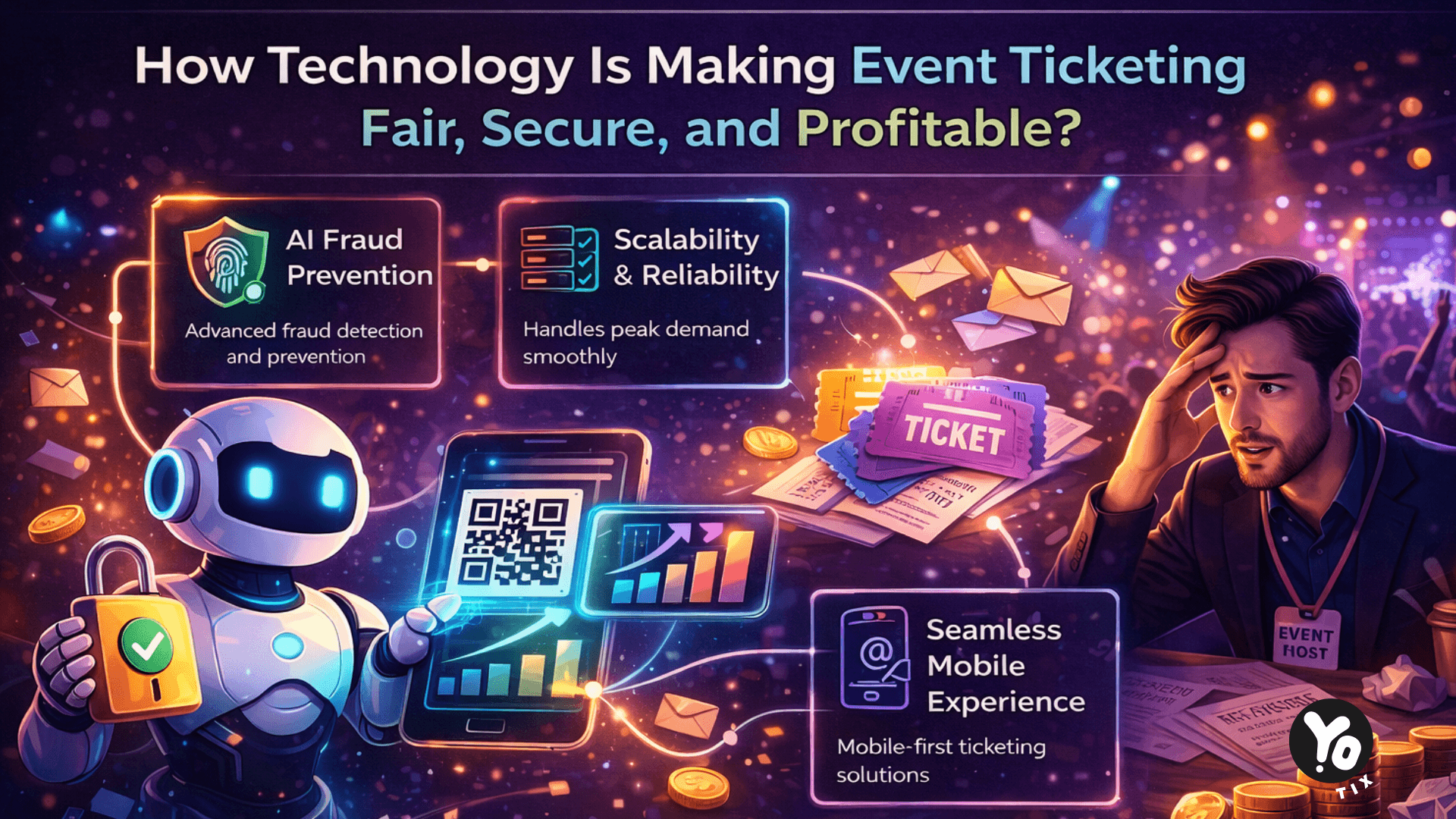
Event ticketing has come a long way from paper stubs and long queues. What was once a simple transactional process has now evolved into a tech-driven ecosystem that impacts everything from how tickets are sold to how events are experienced.
Today, technology is not just improving ticketing — it is completely transforming it. With the integration of Artificial Intelligence (AI), blockchain, mobile platforms, and data analytics, event ticketing is becoming smarter, safer, and more efficient.
Let’s explore how this transformation is reshaping the industry
Broken Legacy of Traditional Ticketing
Before the rise of modern solutions, ticketing systems were vulnerable at multiple levels.
- Scalpers dominated high-demand events, often reselling tickets at 3x–10x the original price
- Fake tickets and duplicated QR codes caused chaos at entry points
- Organizers had little to no control over secondary markets
- Revenue was lost to intermediaries and unauthorized resellers
In many cases, genuine fans were left frustrated, while organizers saw their own events being monetized by third parties.
This created an urgent need for transformation — and technology delivered.
How Technology is Transforming Event Ticketing?
The global events industry is booming like never before. From large-scale music festivals and sports tournaments to niche business conferences and film markets, the appetite for live and virtual experiences continues to rise.
According to industry reports, the global event market is expected to surpass $2 trillion by 2030, driven by increasing consumer demand and digital innovation. Yet, for all this growth, one core component has historically remained flawed — event ticketing.
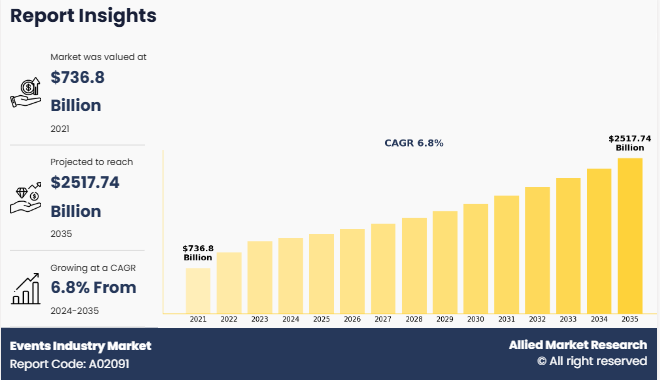
Source: (Allied Market Research)
For decades, ticketing systems have struggled with fraud, scalping, inefficiencies, and revenue leakage. Fans often miss out on tickets, organizers lose control over pricing, and trust in the system erodes.
Today, technology is transforming this landscape entirely. With the integration of Artificial Intelligence (AI), blockchain, secure digital identities, and data analytics, event ticketing is becoming fairer, more secure, and significantly more profitable.
Let’s explore how.
Shift from Traditional to Digital Ticketing
In the past, buying a ticket meant standing in line or relying on limited online systems. These methods came with several challenges:
- Manual errors
- Limited availability
- Vulnerability to fraud
- Poor user experience
The shift to digital platforms has eliminated many of these issues.
What’s changed:
- Instant online booking
- Mobile-based ticket storage
- Real-time updates and notifications
This digital transformation has made ticketing faster, more accessible, and user-friendly.
AI-Powered Ticketing: Bringing Intelligence to Distribution
Artificial Intelligence has become one of the most powerful tools in modern ticketing systems.
How AI is changing the game:
- Detects bot activity and blocks automated bulk purchases
- Identifies suspicious buying patterns in real time
- Enables dynamic pricing based on demand and behavior
Why it matters:
Bots and automated systems can complete thousands of transactions within seconds, often buying tickets faster than real users. AI eliminates this imbalance by ensuring that access is distributed fairly.
Additionally, AI-driven pricing helps organizers maximize revenue without alienating fans, striking the right balance between affordability and profitability.
Blockchain Technology: Building Trust Through Transparency
One of the biggest breakthroughs in ticketing is the adoption of blockchain.
What blockchain does:
- Assigns a unique digital identity to every ticket
- Records ownership history in a tamper-proof ledger
- Enables secure and transparent transfers
The result:
- Fake tickets become nearly impossible
- Duplicate entries are eliminated
- Buyers can verify authenticity instantly
This creates a system where trust is built into the infrastructure itself, not dependent on intermediaries.
Anti-Scalping Mechanisms: Restoring Fairness
Scalping has long been a major issue in event ticketing. However, modern platforms are now equipped with advanced anti-scalping tools.
Key solutions include:
- Purchase limits per user
- Verified fan registrations
- Real-time bot detection systems
- Geo-restrictions and behavioral tracking
Impact:
These measures ensure that tickets are purchased by genuine attendees rather than resellers looking to exploit demand.
Instead of inflated resale markets, pricing remains controlled and fair — benefiting both fans and organizers.
Digital Identity & KYC: One Ticket, One User
A major innovation in ticketing is linking tickets to verified identities.
How it works:
- Users authenticate themselves via mobile number or government ID
- Tickets are tied to individual profiles
- Entry requires identity verification
Benefits:
- Prevents unauthorized transfers
- Eliminates duplicate usage
- Enhances venue security
This system ensures that every ticket corresponds to a real person, significantly reducing fraud.
Smart QR Codes and Contactless Entry
Traditional QR codes are static and easily shareable, which creates security risks. Modern ticketing platforms use dynamic QR codes.
Features:
- Time-sensitive codes that refresh periodically
- Encrypted validation systems
- One-time scan functionality
Outcome:
- Faster check-ins
- No duplicate entries
- Improved crowd management
Contactless entry systems also enhance the attendee experience, reducing wait times and operational friction.
Data-Driven Personalization: Enhancing User Experience
One of the most exciting aspects of modern ticketing is personalization.
Using advanced analytics, platforms can:
- Recommend events based on user interests
- Send targeted offers and promotions
- Predict user behavior and preferences
A user casually browsing for free events in Portland today or checking out events this weekend in Dubai can receive curated suggestions that match their preferences, location, and past activity.
Why this matters:
Personalization increases engagement, boosts conversions, and creates a more enjoyable experience for users.
Controlled Resale Ecosystems: Turning a Problem into Profit
Instead of fighting resale markets, technology is transforming them into structured ecosystems.
Features of modern resale systems:
- Verified resale platforms
- Price caps to prevent excessive markups
- Revenue-sharing models with organizers
Benefits:
- Eliminates black market activity
- Maintains fair pricing
- Creates additional revenue streams
This ensures that resale becomes a controlled and beneficial process, rather than an exploitative one.
Integrated Event Ecosystems: Beyond Just Ticketing
Modern platforms are no longer limited to selling tickets. They offer end-to-end event management solutions.
Capabilities include:
- Marketing and promotions
- Attendee engagement tools
- Vendor and sponsor integrations
- Real-time analytics dashboards
Impact:
- Streamlined operations for organizers
- Better coordination across stakeholders
- Enhanced overall event experience
Ticketing becomes the foundation of a larger, interconnected ecosystem.
Advanced Analytics: Smarter Decisions, Better Outcomes
Data is now at the heart of successful event planning.
Insights organizers can access:
- Audience demographics
- Booking trends and peak demand periods
- Campaign performance metrics
- Customer retention data
How it helps:
- Optimize pricing strategies
- Improve marketing ROI
- Plan better events in the future
Data-driven decision-making allows organizers to maximize both efficiency and profitability.
Profitability: Business Case for Technology
Technology doesn’t just improve fairness and security — it significantly boosts profitability.
Key revenue advantages:
- Reduced fraud and financial losses
- Direct-to-consumer sales (cutting out intermediaries)
- Monetized resale platforms
- Upselling opportunities (VIP tickets, merchandise, add-ons)
The result:
Organizers can retain more revenue, scale their operations, and deliver higher-quality experiences.
Future of Event Ticketing
As technology continues to evolve, the future of ticketing looks even more exciting.
Emerging trends:
- AI-powered booking assistants that automate event discovery
- Facial recognition entry systems eliminating the need for tickets
- NFT-based ticketing, turning tickets into collectible assets
- Hybrid events, combining physical and virtual experiences
These innovations will further enhance accessibility, security, and engagement.
Why This Transformation Matters
The shift toward technology-driven ticketing has far-reaching implications.
For attendees:
- Fair access to tickets
- Protection from scams
- Seamless event experience
For organizers:
- Greater control over distribution
- Increased revenue potential
- Valuable audience insights
For the industry:
- Improved transparency
- Sustainable growth
- Stronger trust between stakeholders
Conclusion
Event ticketing is no longer just a transactional process — it is a strategic, technology-driven ecosystem that shapes the entire event experience.
From AI and blockchain to digital identity and advanced analytics, technology is solving long-standing challenges while unlocking new opportunities for growth. It is making ticketing fairer for fans, more secure for events, and more profitable for organizers.
As the industry continues to evolve, adopting intelligent ticketing solutions will be essential for staying competitive. Platforms like Yotix are leading this transformation by combining innovation with real-world event needs.
In the future, the success of any event will not just depend on its content — but on how intelligently it is ticketed, managed, and experienced.
Frequently Asked Questions (FAQs)
How is technology improving fairness in event ticketing?
Technology improves fairness by using AI-powered systems to detect bots and prevent bulk ticket purchases by scalpers. Features like purchase limits, verified user registrations, and dynamic pricing ensure that genuine fans get equal access to tickets at reasonable prices.
What role does AI play in modern ticketing platforms?
AI helps in multiple ways:
- Detecting fraudulent transactions and bot activity
- Analyzing user behavior for personalized recommendations
- Optimizing ticket pricing based on demand
- Preventing duplicate or suspicious bookings
This makes the entire ticketing process smarter, safer, and more efficient.
How does blockchain make ticketing more secure?
Blockchain creates a unique, tamper-proof digital identity for every ticket. It records ownership history and ensures transparency in transfers. This eliminates fake tickets, prevents duplication, and allows buyers to verify authenticity instantly.
What is dynamic QR code ticketing?
Dynamic QR codes are time-sensitive and encrypted codes that change periodically. Unlike static QR codes, they cannot be copied or reused, ensuring secure and one-time entry for each attendee.
Can technology completely eliminate ticket scalping?
While it may not completely eliminate scalping, modern technologies significantly reduce it. AI detection systems, identity verification, and controlled resale platforms make it extremely difficult for scalpers to exploit the system.
What is KYC-based ticketing and why is it important?
KYC (Know Your Customer) ticketing links tickets to verified user identities using mobile numbers or government IDs. It ensures that each ticket belongs to a real individual, reducing fraud, unauthorized resale, and misuse.
How do controlled resale marketplaces benefit organizers?
Controlled resale platforms allow organizers to:
- Set price limits
- Monitor ticket transfers
- Earn a share of resale revenue
This turns resale into a regulated and profitable channel instead of a loss.
How does personalization improve ticket sales?
Personalization uses user data to recommend relevant events, offer targeted promotions, and improve user engagement. This increases conversion rates and enhances customer satisfaction.
Is mobile ticketing safe and reliable?
Yes, mobile ticketing is highly secure when combined with technologies like encrypted QR codes, app-based verification, and real-time validation systems. It also provides convenience and faster entry at events.
How does technology increase profitability for event organizers?
Technology boosts profitability by:
- Reducing fraud and revenue leakage
- Eliminating intermediaries
- Enabling upselling opportunities
- Monetizing resale markets
- Providing data insights for better decision-making
What are the future trends in event ticketing?
Future trends include:
- AI-powered booking assistants
- Facial recognition entry systems
- NFT-based ticketing
- Hybrid and virtual event integrations
These innovations will further enhance user experience and operational efficiency.
How are platforms like Yotix different from traditional ticketing systems?
Platforms like Yotix go beyond basic ticketing by offering AI-driven security, anti-scalping mechanisms, integrated event ecosystems, and advanced analytics — ensuring fairness, security, and profitability in one unified solution.