

How Event Organizers Can Increase Ticket Sales with AI?
The event industry is becoming more competitive every year. From concerts and conferences to festivals and community gatherings, organizers are fighting for attention, attendance, and ticket revenue. Traditional promotion methods alone are no longer enough. Today, success comes from combining great event experiences with smart technology — especially Artificial Intelligence (AI).
AI is reshaping how tickets are marketed, priced, protected, and sold. It helps organizers understand buyer behavior, predict demand, personalize outreach, and automate conversion strategies. For event organizers and hosts using easy-to-use platforms like Yotix, AI tools are becoming a built-in advantage rather than a complex add-on.
This guide explains how AI increases ticket sales, supported by real statistics and practical methods you can apply immediately.
Why AI is Becoming Essential in Event Ticketing
Modern ticket buyers expect relevance and speed. They respond to personalized offers, instant answers, flexible pricing, and secure purchasing. AI enables all of this at scale.
Industry research across digital marketing and commerce shows:
- AI-driven personalization improves conversions by 20–30%
- Predictive analytics improves campaign ROI by 25%+
- Automated retargeting recovers 10–15% of abandoned purchases
- AI chat systems handle up to 80% of buyer queries instantly
- Dynamic pricing strategies increase revenue by 5–15%
For event organizers, these are not abstract numbers — they directly translate into more tickets sold and higher per-event revenue.
AI Audience Targeting: Reaching High-Intent Buyers
One of the biggest mistakes in event promotion is broad targeting. Not everyone is your buyer — and AI helps you identify who actually is.
AI analyzes behavior patterns such as:
- Previous ticket purchases
- Event category interest
- Engagement with similar listings
- Location-based demand
- Ad interaction history
Instead of marketing blindly, AI builds high-intent segments — such as frequent live music attendees, business conference visitors, or regional culture audiences.
If you are promoting dance events in New York, AI systems can prioritize users who have historically engaged with dance shows, performing arts tickets, and nightlife experiences in that region — instead of targeting a general city audience.
Performance Impact
AI-based targeting typically delivers:
- 2x higher click-through rates
- 30–50% lower wasted ad spend
- 20%+ higher ticket conversion rates
Predictive Demand Forecasting: Plan Smarter, Sell Faster
AI can forecast how your event is likely to perform before ticket sales peak. This removes guesswork from planning.
AI forecasting models analyze:
- Historical event performance
- Performer or speaker popularity
- Seasonal trends
- Regional buying behavior
- Search and engagement signals
If you’re hosting specialized programming such as performances in San Diego, AI forecasting can compare similar past events and estimate demand curves — helping you decide ticket tiers, release timing, and promotional intensity.
Statistical Benefit
Predictive analytics improves planning accuracy by 15–25% across event and retail sectors, leading to better ticket allocation and marketing timing.
Dynamic Pricing with AI Increases Revenue
Static ticket pricing often underperforms because demand changes over time. AI enables dynamic pricing — where prices adjust automatically based on demand signals.
AI monitors:
- Sales velocity
- Remaining inventory
- Traffic spikes
- Buyer intent behavior
- Time remaining to event
Proven Results
Dynamic pricing models in ticketing and travel consistently show:
- 5–15% higher total ticket revenue
- Better early-stage sell-through
- Improved last-minute seat fill
Organizers can still set boundaries, but AI handles the fine adjustments.
AI Personalization: Turning Interest Into Purchase
Generic messaging no longer converts well. AI enables personalized outreach across email, ads, and platform notifications.
AI personalizes:
- Subject lines
- Event recommendations
- Discount triggers
- Reminder timing
- Creative variations
Supporting Statistics
Marketing studies show:
- Personalized emails generate 26% higher open rates
- Behavior-triggered messages convert 3–5x better
- Personalized offers increase purchases by 10–20%
For ticket sales, personalization reduces hesitation and increases buyer confidence.
AI Chat Assistants Reduce Drop-Off
Many buyers hesitate at checkout because of unanswered questions. AI chat assistants solve this instantly.
They can answer:
- Entry rules
- Seating questions
- Ticket differences
- Upgrade options
- Refund policies
- Schedule details
Measured Impact
Customer experience data shows:
- Instant chat response increases conversions by 10–18%
- AI chat reduces response time by up to 90%
- Up to 80% of routine queries can be automated
That means fewer abandoned purchases and smoother buyer journeys.
AI Retargeting Recovers Lost Buyers
Most visitors don’t buy tickets on the first visit. AI-powered retargeting brings them back intelligently.
Instead of showing the same ad repeatedly, AI adjusts:
- Message type
- Offer level
- Timing
- Frequency
- Creative format
Retargeting Statistics
Digital ad benchmarks show:
- Retargeted users are 70% more likely to convert
- Smart retargeting reduces wasted impressions by 30%+
- Recovery campaigns reclaim 10–15% of lost sales
For event organizers, this alone can significantly lift final ticket counts.
AI Content Optimization for Event Promotions
AI can automatically test and optimize promotional content so your best-performing messages get priority.
AI can optimize:
- Headlines
- Posters
- Social captions
- Video thumbnails
- CTA buttons
- Landing pages
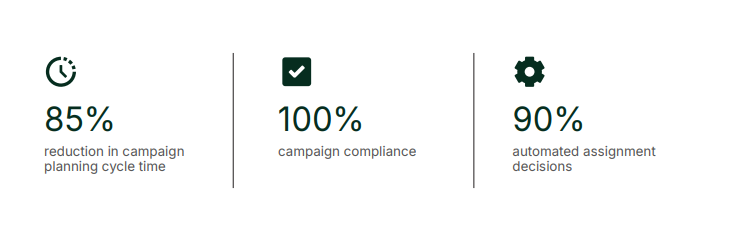
Automated optimization improves campaign performance by 20–35% compared to static creatives.
Source: (Gruve.ai)
This means your marketing improves continuously during the sales cycle.
AI Fraud Detection Builds Buyer Trust
Ticket fraud and scalping hurt both fans and organizers. AI fraud detection systems monitor suspicious patterns and block bad actors.
AI looks for:
- Bot purchase behavior
- Bulk buying anomalies
- Identity mismatches
- Payment irregularities
Modern AI fraud systems reach 90%+ detection accuracy, reducing chargebacks and protecting genuine buyers — which increases platform trust and early ticket purchases.
AI Upselling Increases Revenue Per Ticket Buyer
AI helps increase average order value through intelligent upsell recommendations.
Examples include:
- VIP upgrades
- Premium seating
- Merchandise bundles
- Experience add-ons
- Multi-day passes
Behavior-based upsell engines typically increase order value by 10–25% compared to static upsell offers.
Bottom Line for Event Organizers and Hosts
AI is no longer optional in modern ticketing — it is a competitive advantage. From smarter targeting and predictive demand to dynamic pricing and automated retargeting, AI consistently improves ticket sales outcomes.
The statistics are clear: AI-driven systems deliver higher conversions, better marketing efficiency, stronger fraud protection, and greater revenue per buyer. For organizers using easy, AI-enabled platforms like Yotix, these capabilities are becoming accessible without technical complexity.
The future of successful events belongs to organizers who don’t just promote — but promote intelligently.
Frequently Asked Questions (FAQs): Using AI to Increase Event Ticket Sales
1️⃣ How can AI actually help increase my event ticket sales?
AI helps increase ticket sales by analyzing buyer behavior, predicting demand, personalizing marketing messages, and optimizing pricing. Instead of promoting your event to everyone, AI targets high-intent audiences and triggers the right offers at the right time.
2️⃣ Do small and mid-sized event organizers really need AI tools?
Yes. AI is no longer limited to large enterprises. Today, many modern ticketing platforms include built-in AI features that are easy to use. Even small organizers benefit from smarter targeting, automated follow-ups, chatbot support, and fraud detection — all of which improve ticket sales efficiency without needing a technical team.
3️⃣ Is AI-based ticket pricing complicated to manage?
No. AI dynamic pricing systems are largely automated. They adjust prices based on demand, sales speed, and inventory levels. Organizers can still set minimum and maximum limits.
4️⃣ How does AI improve event marketing performance?
AI improves marketing by:
- Segmenting audiences automatically
- Personalizing messages
- Optimizing ad spend
- Choosing best send times
- Running continuous A/B tests
- Triggering behavior-based campaigns
5️⃣ Can AI help recover abandoned ticket purchases?
Yes. AI-powered retargeting and reminder systems identify users who visited your ticket page but didn’t complete the purchase.
6️⃣ How do AI chatbots help sell more tickets?
AI chatbots answer buyer questions instantly — about seating, timing, rules, access, upgrades, and pricing. Fast answers reduce hesitation and drop-offs.
7️⃣ Does AI help prevent ticket fraud and scalping?
Yes. AI fraud detection systems monitor buying patterns and flag suspicious behavior such as bots, bulk scalpers, and fake identities.
8️⃣ Will I need technical skills to use AI ticketing features?
Not with modern platforms. Many event platforms integrate AI features into simple dashboards and workflows. Organizers can activate smart pricing, targeting, and automation tools with minimal setup. Platforms like Yotix are designed specifically to make advanced ticketing technology accessible to non-technical event hosts.
9️⃣ Can AI help me decide how many tickets to release?
Yes. AI demand forecasting analyzes historical data, category trends, and buyer signals to predict likely attendance.
🔟 What is the first AI feature an event organizer should start with?
Start with AI audience targeting and automated retargeting. These usually produce the fastest and most visible ticket sales improvements. Next, add AI personalization and chat support. Then expand into dynamic pricing and predictive forecasting as your events scale.