

How ID Verification Improves Online Event Security for Event Organizers?
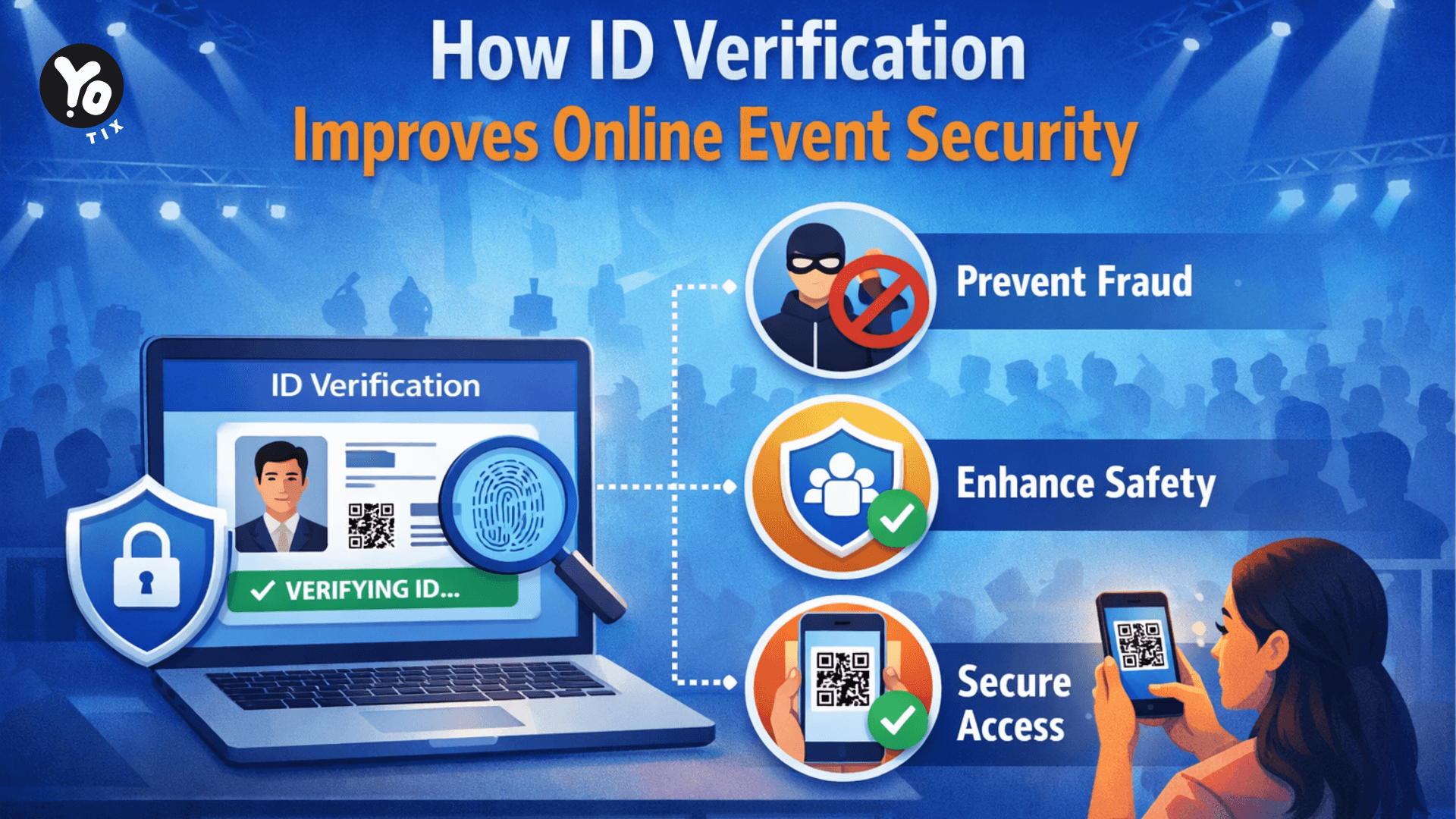
For event organizers, the digital shift has unlocked incredible opportunities. You can now host paid webinars, virtual conferences, concerts, workshops, and hybrid events with a global audience—without venue limitations. But along with this scale comes a growing concern that many organizers underestimate until it’s too late: event security.
Unauthorized access, ticket sharing, scalping, fake registrations, bots, and content piracy have become common issues for online events. These problems don’t just hurt revenue—they damage credibility, attendee experience, and long-term trust in your brand.
This is why ID verification is quickly becoming a must-have feature on modern event ticketing platforms, not just a “nice to have.” For organizers who want control, fairness, and professional-grade security, ID verification changes everything.
The Reality: Online Events Are More Vulnerable Than Physical Ones
Many organizers assume online events are inherently safer because they’re digital. In reality, they’re often easier to exploit.
According to new national research commissioned by PayPal Australia, while making ticket purchases online one in five Australians has been scammed, losing an average of $432 per incident. This is because digital access abuse plays a major role. Event access links, login credentials, and tickets are frequently shared or resold without organizers ever knowing.
Common challenges faced by organizers include:
- One ticket being used by multiple people
- Paid access links shared on WhatsApp or Telegram groups
- Fake attendees inflating registration numbers
- Bots signing up to scrape content or disrupt sessions
- Unauthorized recording and redistribution of paid content
Without identity controls, even the best content and marketing strategy can lose value.
Why Event Ticketing Platforms Matter More Than Ever?
Today’s event organizers rely heavily on event ticketing platforms to manage registrations, payments, access, and analytics. These platforms are no longer just “ticket sellers”—they are the gatekeepers of your event experience.
A secure ticketing platform should:
- Protect your revenue
- Ensure fair access
- Maintain attendee quality
- Safeguard your content
- Build trust with your audience
This is where ID verification becomes a critical layer in the event technology stack.
What is ID Verification in Event Ticketing Platforms?
ID verification ensures that each ticket is linked to a real, unique individual. Depending on the platform, this may include:
- Government-issued ID validation
- Face or selfie verification
- Phone and email authentication
- AI-powered fraud detection
- One-person–one-ticket enforcement
For organizers, the benefit is simple but powerful:
The person attending is the person who paid.
How ID Verification Directly Benefits Event Organizers
Eliminates Ticket Sharing and Unauthorized Access
Ticket sharing is one of the biggest revenue leaks for online events.
A Statista survey revealed that over 35% of users admit to sharing paid digital access—including subscriptions, courses, and event links.
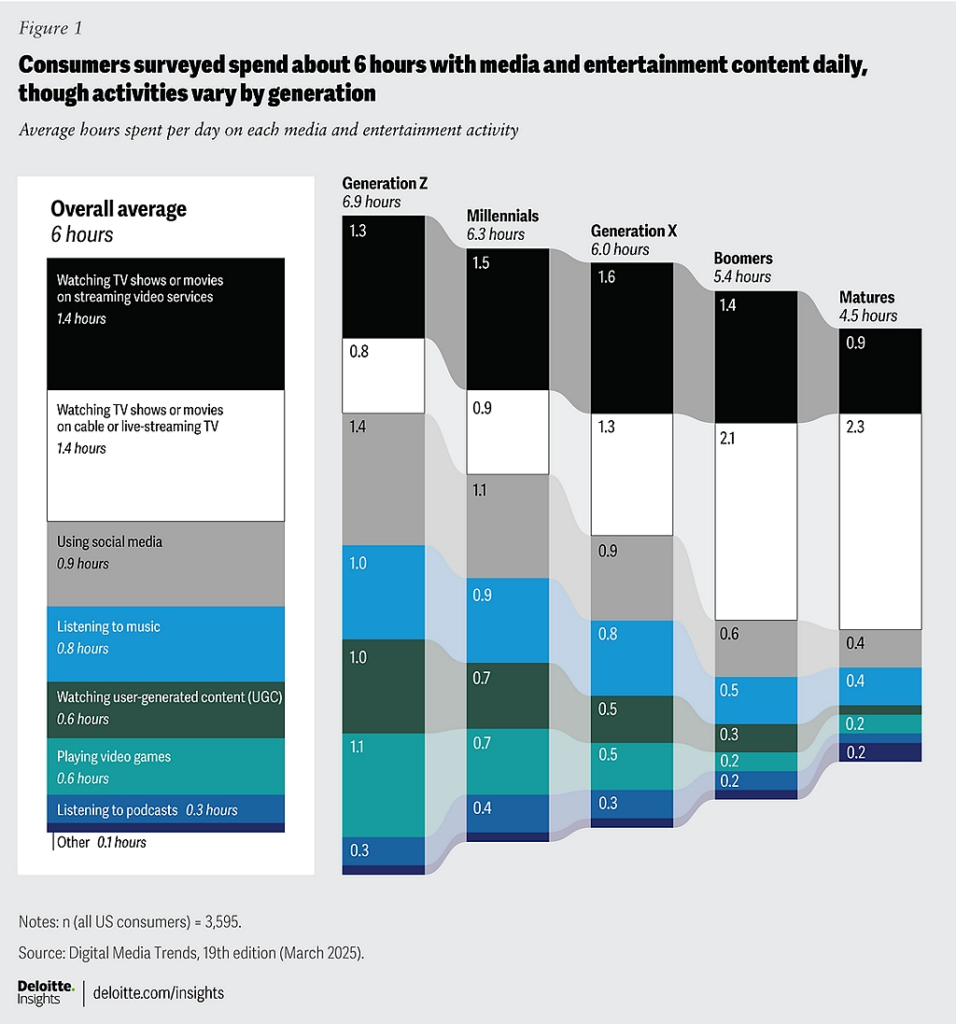
Source: (Deloitte)
For organizers, this means:
- Lost ticket revenue
- Inaccurate attendance data
- Reduced perceived value of your event
With ID verification, tickets are tied to an individual’s identity. Even if login details are shared, access is blocked when the identity doesn’t match. This ensures one ticket = one attendee, just like a physical event.
Stops Digital Scalping Before It Starts
Scalping isn’t limited to stadiums anymore.
Digital ticket fraud has increased by more than 45% in the last five years, driven by easy resale and lack of identity checks.
ID verification helps organizers:
- Make tickets non-transferable
- Prevent bulk buying for resale
- Detect duplicate or suspicious entries in real time
This protects genuine attendees and keeps pricing fair—especially important for limited-capacity or premium events.
Blocks Bots and Fake Registrations
High registration numbers may look good on paper, but fake sign-ups hurt engagement and analytics.
Nearly 50% of global internet traffic comes from bots. Much of this traffic is from target registration-based platforms.
For event organizers, bots can:
- Inflate sign-up numbers
- Disrupt live sessions
- Skew engagement metrics
- Consume platform resources
AI-driven ID verification identifies abnormal behavior patterns, device misuse, and non-human activity—ensuring only real people attend your event.
Protects Your Paid Content and Intellectual Property
Your content is your biggest asset—whether it’s a keynote, performance, workshop, or masterclass.
The Digital Media Association estimates that digital piracy causes over $29 billion in losses annually, and live-streamed events are increasingly targeted.
ID verification discourages misuse by:
- Linking access to real identities
- Enabling traceable watermarking
- Reducing anonymous screen recording
When attendees know their identity is verified, misuse drops significantly.
Builds Trust with Attendees and Sponsors
Trust is currency in the event industry.
According to a PwC consumer trust survey, 73% of people say trust directly impacts their buying decisions—including event registrations.
For organizers, secure access means:
- Fewer disruptions during live sessions
- Higher-quality interactions
- Increased sponsor confidence
- Stronger brand reputation
Attendees feel safer when they know the event is private, controlled, and professional.
Improves Data Accuracy and Event Insights
Without identity verification, your data may be misleading.
Shared tickets, fake accounts, and bots distort:
- Attendance numbers
- Engagement metrics
- Geographic insights
- Post-event analysis
Verified identities ensure:
- Accurate, unique attendee counts
- Reliable audience insights
- Better ROI measurement
This allows organizers to make smarter decisions for future events, pricing, marketing, and partnerships.
Supports Compliance and Privacy Expectations
Data privacy is no longer optional—it’s expected.
According to Cisco’s Consumer Privacy Study, 81% of users say they care deeply about how their data is handled and prefer platforms with strong security practices.
Modern ID verification systems are designed to:
- Use encrypted data processing
- Minimize data storage
- Comply with global regulations like GDPR
This reassures attendees that security doesn’t come at the cost of privacy.
ID Verification vs Traditional Event Access
| Feature | Traditional Login | ID-Verified Access |
| Ticket sharing prevention | ❌ No | ✅ Yes |
| Scalping protection | ❌ Weak | ✅ Strong |
| Bot prevention | ❌ Limited | ✅ Advanced |
| Content protection | ❌ Low | ✅ High |
| Trust & credibility | ❌ Moderate | ✅ High |
When Event Organizers Need ID Verification the Most
ID verification is especially valuable for:
- Paid online and hybrid events
- Limited-seat virtual conferences
- Corporate meetings and internal events
- Certification programs and exams
- High-value workshops and training
In all these cases, security directly impacts revenue, reputation, and long-term growth.
Future of Event Hosting Is Identity-First
As online and hybrid events continue to grow, organizers will increasingly choose ticketing platforms that offer control, transparency, and fairness.
ID verification is no longer just about security—it’s about:
- Protecting your business
- Respecting your audience
- Delivering professional-grade events at scale
Platforms that offer built-in ID verification empower organizers to host events in Los Angeles with confidence, knowing their content, revenue, and community are protected.
Conclusion
For modern event organizers, security is not a technical detail—it’s a strategic advantage. ID verification transforms event ticketing platforms from simple registration tools into powerful, trust-driven ecosystems.
By preventing unauthorized access, stopping scalping, blocking bots, protecting content, and delivering accurate insights, ID verification helps organizers host events that are fair, secure, and future-ready.
As digital events become the norm, organizers who choose identity-first event ticketing platforms will lead the industry—not just in scale, but in credibility and trust.
Get Your Queries Solved!
What is ID verification in an event ticketing platform?
ID verification is a security process that confirms the identity of each attendee before granting event access. It ensures that the person attending the event is the same person who purchased the ticket. This may include ID checks, selfie verification, phone or email authentication, and AI-based fraud detection.
Why should event organizers use ID verification for online events?
Event organizers use ID verification to prevent ticket sharing, stop unauthorized access, reduce fraud, and protect paid content. It helps maintain fair access, accurate attendance data, and a professional event experience—especially for paid, limited-seat, or high-value events.
Does ID verification reduce ticket sharing?
Yes. ID verification is one of the most effective ways to eliminate ticket sharing. Each ticket is linked to a verified individual, making it difficult for multiple people to use the same ticket or login credentials.
Can ID verification help prevent ticket scalping?
Absolutely. By binding tickets to a verified identity, ID verification makes resale and bulk purchasing far less attractive to scalpers. This protects genuine attendees and ensures fair pricing for your event.
Will ID verification slow down event entry?
Modern ID verification systems are designed to be fast and user-friendly. Most verifications take only a few seconds and happen before the event, ensuring smooth and disruption-free access during live sessions.
Is ID verification safe for attendee privacy?
Yes, when implemented correctly. Leading event ticketing platforms use encrypted data handling, minimal data storage, and comply with global privacy regulations like GDPR. Attendees’ personal information is protected and used only for verification purposes.
What types of events benefit most from ID verification?
ID verification is especially valuable for:
- Paid online events and webinars
- Virtual conferences and summits
- Hybrid events with limited digital seats
- Corporate meetings and internal events
- Training programs and certification exams
Any event where access control, content protection, or revenue security matters can benefit.
Can ID verification stop bots and fake registrations?
Yes. AI-powered ID verification can detect abnormal behavior, duplicate accounts, and automated sign-ups. This ensures your attendee list consists of real people, not bots inflating registration numbers.
Does ID verification help protect event content from piracy?
Yes. By linking access to real identities, ID verification discourages unauthorized recording and content sharing. Some platforms also enable watermarking tied to verified users, further protecting intellectual property.
How does ID verification improve attendee trust?
When attendees know an event is secure and private, they feel safer participating. Verified access reduces spam, trolling, and disruptions, creating a better experience and encouraging attendees to return for future events.
Can ID verification work for global audiences?
Yes. Advanced event ticketing platforms support global ID verification. It allows organizers to host international events while maintaining consistent security standards across regions.
Is ID verification suitable for free events?
While ID verification is most commonly used for paid events, it can also be useful for free events that require controlled access, such as invite-only sessions, private communities, or corporate meetings.
How does ID verification improve event analytics?
Because each attendee is uniquely verified, organizers get accurate data on attendance, engagement, and audience behavior. This leads to better post-event insights, improved planning, and more informed decision-making.
Do sponsors and partners value ID-verified events?
Yes. Sponsors prefer events with verified, high-quality audiences. ID verification improves credibility, engagement quality, and reporting accuracy—making your event more attractive to sponsors and partners.
Is ID verification becoming a standard feature in event ticketing platforms?
Yes. As online and hybrid events continue to grow, ID verification is rapidly becoming a standard expectation rather than an optional add-on. Event organizers increasingly choose platforms that offer identity-first security as part of their core infrastructure.