

Online Event Registration vs Ticketing: The Difference That Can Make or Break Your Event
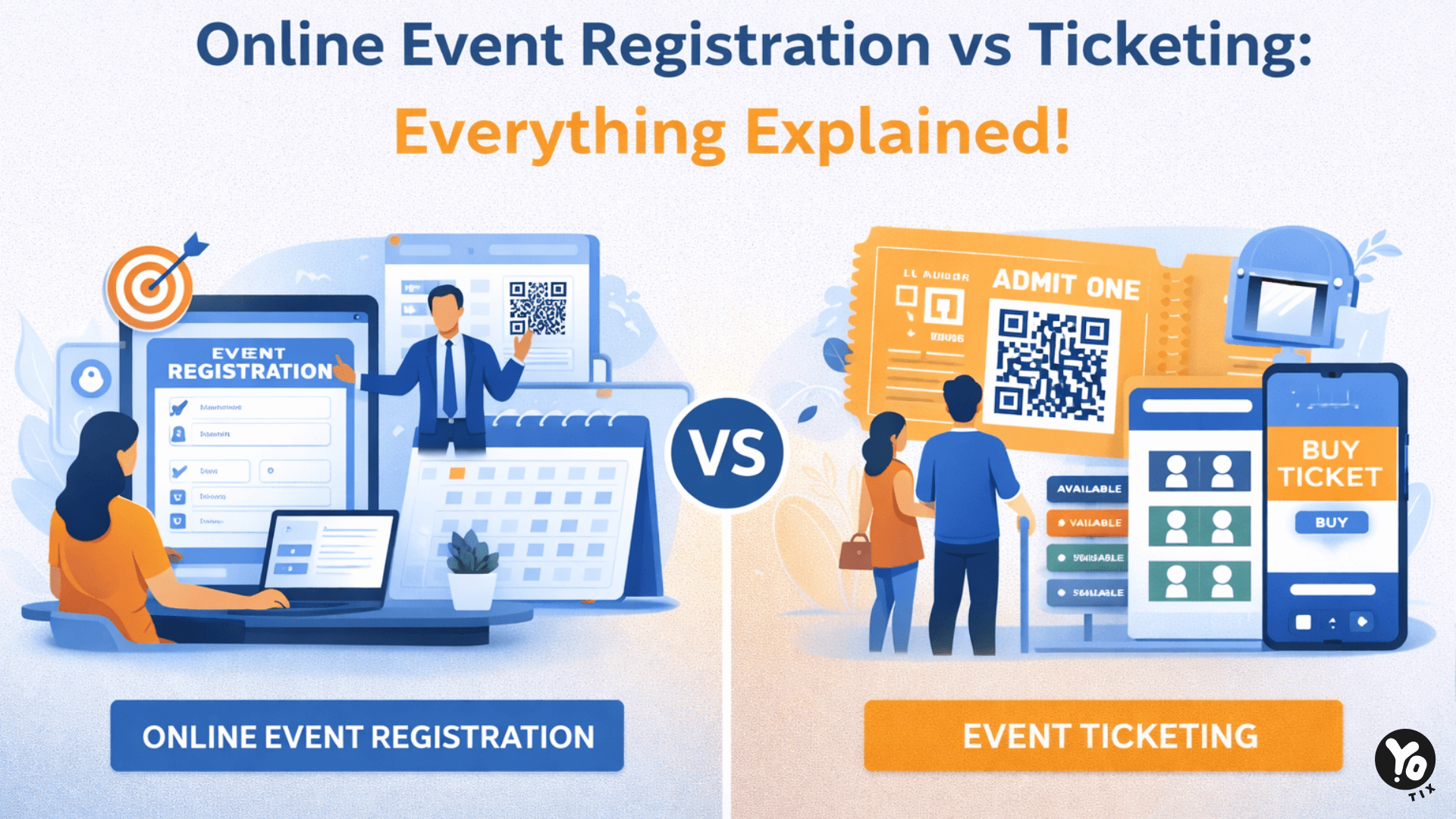
If you’ve ever hosted or promoted an event—whether it’s a live concert, a creator meetup, a workshop, or a community gathering—you already know that success doesn’t depend only on the lineup or the venue. Behind every smooth event is a system quietly handling sign-ups, payments, access, and attendee data.
This is where many organizers get stuck.
Should you use online event registration or a full-fledged event ticketing platform? At first glance, they seem similar. Both let people “sign up.” Both send confirmation emails. Both live online.
But in reality, they serve very different purposes, and choosing the wrong one can limit your revenue, frustrate attendees, and slow down your growth.
This article breaks down the real difference between online event registration and ticketing, explains why the distinction matters more than ever today, and shows how modern platforms like Yotix are designed specifically for organizers who want control, fairness, and low ticketing fees.
Modern Event Landscape: Why This Decision Matters Now
The event industry has changed dramatically in the last few years. Events are no longer just physical gatherings—they are products, experiences, and businesses.
Some telling statistics highlight this shift:
- The global events industry is expected to surpass $1.5 trillion by 2028
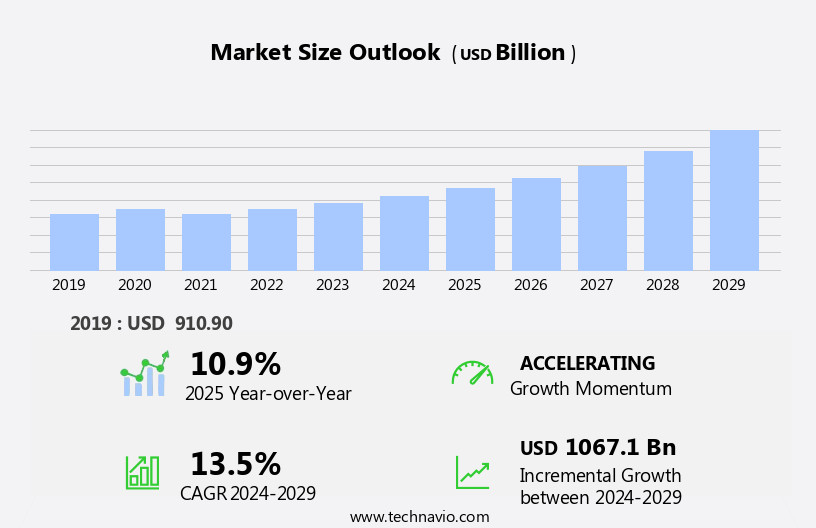
Source: (Technavio)
- Over 80% of tickets for public events are now sold online
- Events using digital ticketing experience up to 45% faster entry times
- Nearly 60% of attendees say a poor ticketing experience negatively impacts their perception of an event
For organizers and promoters, this means one thing:
Your event platform is part of your brand.
What Online Event Registration Really is (and Isn’t)
Online event registration is fundamentally about record-keeping and attendance management.
It answers questions like:
- Who is attending?
- How can I contact them?
- What sessions or options did they choose?
How Registration Platforms Work in Practice
An attendee typically:
- Visits a registration page
- Fills out a form (name, email, preferences)
- Receives a confirmation email
- Attends the event
Payment may or may not be involved. When it is, it’s often secondary.
Events Where Registration Makes Sense
Registration works best for events where:
- The audience is limited or invited
- Revenue is not the primary goal
- Attendance is more important than access control
Examples include:
- Corporate meetings
- Industry seminars
- Internal training sessions
- Academic conferences
- Free webinars
In these cases, data collection matters more than selling entry.
The Hidden Limitations of Registration-Only Systems
While registration platforms are useful, they often struggle when events grow or become public:
- No strong protection against unauthorized access
- Limited payment and pricing flexibility
- Weak analytics around revenue and demand
- Not designed for resale or transfer control
- Poor scalability for high-volume events
For creators and promoters, these limitations quickly become roadblocks.
What Event Ticketing Is Designed to Do
Online event ticketing flips the focus.
Instead of asking “Who is attending?” it asks:
“Who has the right to enter?”
Ticketing platforms are built around monetization, access control, and scale.
How Ticketing Platforms Work
Attendees:
- Choose a ticket type
- Complete payment
- Receive a digital ticket (QR code or pass)
- Use it for entry or access
Behind the scenes, the platform manages inventory, validation, and security.
Events That Depend on Ticketing
Ticketing is essential for:
- Concerts and music festivals
- Creator-led workshops and meetups
- Comedy shows and live performances
- Film screenings and premieres
- Paid virtual and hybrid events
In these cases, tickets are not optional—they are the event’s backbone.
Registration vs Ticketing: The Difference That Impacts Revenue
From an organizer’s perspective, the biggest difference is control over money and growth.
| Aspect | Event Registration | Event Ticketing |
| Revenue Generation | Minimal or optional | Core function |
| Pricing Control | Basic | Advanced & flexible |
| Scalability | Limited | Built for high demand |
| Entry Security | Low | High |
| Data Insights | Basic | Revenue + behavior analytics |
| Best Fit | Informational events | Monetized public events |
Statistics show that events using professional ticketing platforms:
- Generate 20–30% more revenue
- Experience fewer no-shows
- Have a higher perceived value among attendees
Why Today’s Organizers Can’t Ignore Ticketing
Events are no longer one-off experiences. They are repeatable, scalable products.
Modern audiences expect:
- Mobile-friendly ticket purchases
- Instant confirmations
- Fast, contactless entry
- Transparent pricing
- Secure transactions
According to industry data:
- 65% of attendees prefer mobile tickets
- Over 40% of ticket fraud occurs on platforms without strong controls
- Events with tiered pricing sell out 17% faster
- Branded ticket pages increase conversion rates by up to 2x
These are advantages that registration tools simply aren’t built to deliver.
The Fee Problem: Where Most Ticketing Platforms Fail Organizers
One of the biggest frustrations for promoters and creators is high ticketing fees.
Traditional platforms often:
- Charge per-ticket service fees
- Add hidden payment processing costs
- Control customer data
- Limit branding options
- Penalize success as events scale
For small and mid-sized event organizers, this can mean losing a significant portion of revenue—sometimes 10–20% per ticket.
This is exactly the gap Yotix was built to solve.
How Yotix Bridges Registration and Ticketing—Without the Pain
Yotix is designed for event organizers, promoters, and creators who want:
- Fair, low ticketing fees
- Full ownership of attendee data
- Strong access control
- Protection against scalping and fraud
- Tools that scale as their events grow
Rather than forcing you to choose between registration and ticketing, Yotix combines both intelligently.
What Yotix Enables
- Sell tickets with flexible pricing
- Collect attendee details without friction
- Validate entry securely using digital passes
- Customize branding to match your event
- Monitor real-time sales and attendance
- Maintain control—no platform lock-in
Whether you’re hosting a niche creator meetup or promoting larger public listings like events this week in los angeles, Yotix adapts to your needs without inflating costs.
Why Data Ownership Matters More Than Ever
Many organizers overlook this—but it’s critical.
With some platforms:
- Attendee data belongs to the platform
- Retargeting past audiences becomes difficult
- You lose long-term relationship value
With Yotix:
- You own your data
- You can communicate directly with attendees
- You build a repeat audience—not just one event
Statistics show organizers who leverage attendee data see:
- 30% higher repeat attendance
- 25% lower marketing costs
- Better long-term brand loyalty
Choosing the Right Platform: Questions Every Organizer Should Ask
Before committing to any system, ask:
- Am I paying unnecessary ticketing fees?
- Do I control my event branding?
- Who owns my attendee data?
- Can this platform scale with my growth?
- Does it protect my event from fraud?
If your current setup can’t confidently answer these, it may be time to switch.
Final Thoughts: Registration vs Ticketing Is Not Just a Technical Choice
The difference between online event registration and ticketing is not just about software—it’s about how you value your event.
Registration helps you manage people.
Ticketing helps you build a business around experiences.
For today’s organizers, promoters, and creators, the future belongs to platforms that offer fair fees, smart automation, and full control.
That’s exactly what Yotix is built for.
FAQs
Can I use event registration instead of ticketing for paid events?
You can, but it’s not recommended. Registration tools usually lack secure payment handling, entry validation, and fraud protection. For paid events, a dedicated ticketing platform ensures smoother transactions, better attendee experience, and stronger access control.
Why do event organizers prefer ticketing platforms over registration tools?
Ticketing platforms offer greater control over pricing, promotions, and entry, along with real-time analytics and security features. Organizers also benefit from higher perceived event value and improved revenue management compared to basic registration systems.
Are event ticketing platforms expensive for small organizers?
Not necessarily. While traditional platforms can charge high service fees, modern solutions like Yotix are designed with low ticketing fees, making them accessible for independent organizers, promoters, and creators without cutting into profits.
How does Yotix help reduce ticketing fees?
Yotix follows a fair and transparent pricing model, allowing organizers to keep more of their ticket revenue. Unlike legacy platforms, it avoids excessive per-ticket charges while still providing advanced features like access control and analytics.
Can Yotix handle both online and offline events?
Yes. Yotix supports online, offline, and hybrid events, making it suitable for everything from virtual workshops and creator meetups to large in-person concerts and festivals.
How does Yotix prevent ticket fraud and scalping?
Yotix uses secure digital tickets, controlled transfers, and smart validation systems to prevent unauthorized resale and duplicate entries. This protects both organizers and attendees while maintaining event integrity.
Do I own my attendee data when using Yotix?
Yes. With Yotix, you retain full ownership of your attendee data. This allows you to communicate directly with your audience, build long-term relationships, and promote future events without restrictions.
Is Yotix suitable for first-time event organizers?
Absolutely. Yotix is designed to be easy to set up and manage, even for first-time organizers. Its intuitive interface and automation features reduce manual work, letting you focus on promoting and delivering a great event.
Can I offer multiple ticket types and pricing tiers on Yotix?
Yes. Yotix allows you to create multiple ticket categories, such as early-bird, general admission, VIP, or group tickets, helping you maximize sales and appeal to different audience segments.
How does digital ticketing improve attendee experience?
Digital ticketing enables fast check-ins, mobile access, and instant confirmations. Studies show that events using digital tickets experience up to 45% faster entry times, leading to a smoother and more professional event experience.
Is Yotix suitable for creator-led and community events?
Yes. Yotix is ideal for creators, artists, and community organizers who want to host events, sell tickets directly to their audience, and avoid high platform fees that reduce earnings.
Can I brand my event page on Yotix?
Yes. Yotix supports custom branding, allowing you to match the event page with your brand identity and create a consistent experience for attendees from ticket purchase to event entry.
What kind of insights can I get from Yotix?
Yotix provides real-time analytics on ticket sales, attendance trends, and audience behavior. These insights help organizers make smarter decisions and improve future events.
How do I decide whether Yotix is the right platform for my event?
If you’re hosting paid events, want low ticketing fees, need secure access control, and value ownership of your audience data, Yotix is a strong choice. It’s built to support growth without limiting organizers.