

10 Common Event Management Mistakes and How to Avoid Them
If you’ve been in the event world long enough, you’ll agree: event planning is 70% problem-solving and 30% execution — and sometimes it feels like the problems start even before the event does.
Over the years, I’ve made mistakes, watched other planners make mistakes, and helped clients recover from mistakes that could have been avoided entirely.
Here are the 10 most common mistakes I see event promoters make, along with real-time examples, data, and practical fixes you can apply starting today.
How to Avoid 10 Event Management Mistakes Like a Pro?
Planning an event—whether it’s a concert, conference, expo, or festival—always looks exciting from the outside. But every professional event planner knows the truth: behind the lights, décor, and applause lies weeks (sometimes months) of intense coordination, sleepless nights, and hundreds of micro-decisions.
After years in this industry, I’ve learned that events don’t fail because planners are inexperienced. They fail because the same common mistakes happen again and again—often without us realizing it.
In this guide, I’m breaking down the 10 most common event management mistakes and how to avoid them like a true professional. These insights come from real experiences, industry data, avoidable disasters I’ve witnessed, and moments that taught me priceless lessons.
Let’s dive in.
Weak Pre-Event Planning
Every event—big or small—depends on one thing: planning. If the foundation is shaky, everything else collapses. According to an EventMB report, 48% of event failures are linked to poor planning.
Where Planners Go Wrong
- Starting too late
- No clear event objective
- Undefined roles or responsibilities
- Missing buffers for delays
- No centralized plan or timeline
A leadership summit I consulted for had world-class speakers, a beautiful venue, and strong branding. But because they never finalized a structured agenda, sessions overlapped, VIPs were confused about timings, and attendees kept switching halls. The chaos reflected in the feedback score: 3.1/5—all due to weak pre-event planning.
Mismanaging the Event Budget
Even experienced planners fall into budget traps. Research shows 65% of organizers exceed their event budget, mostly due to last-minute expenses or poor tracking.
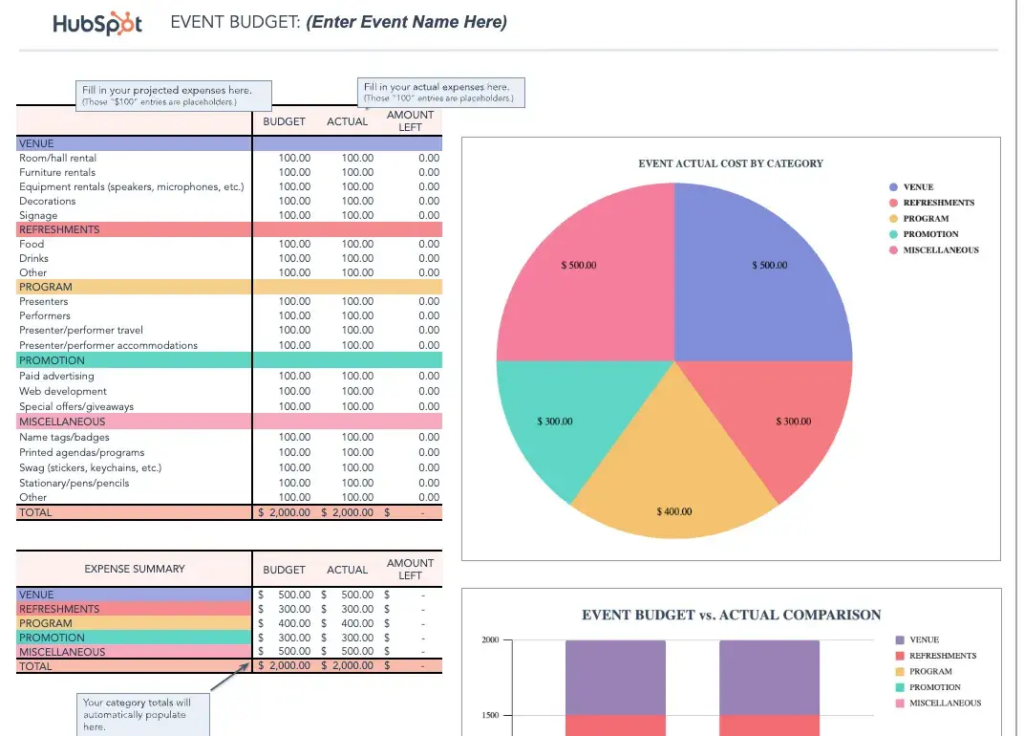
Source: (Hubspot)
Common Budgeting Pitfalls
- Relying on guesswork instead of real quotes
- Missing hidden venue fees
- Forgetting contingency funds (at least 10–15%)
- Scattered invoices and manual tracking
- Not forecasting revenue projections
A tech exhibition in Mumbai overshot its budget by ₹2.7 lakhs because the organizer forgot to account for digital signage rentals. That one oversight pushed the entire event into financial stress.
Weak Marketing & Promotion
Even the most brilliant event will see empty seats if the marketing isn’t strong enough. In fact, 41% of events fail to achieve their attendee goals due to inadequate promotion.
Where Promotion Usually Fails
- Promoting too late
- Not leveraging social media trends (especially reels)
- No influencer or partner marketing
- Weak storytelling
- No remarketing or reminder campaigns
A high-profile fashion event launched its first promotional video just 10 days before the show. Despite having celebrity designers, attendance reached only 32% of the target because the marketing window was too small.
Complicated Ticketing & Registration
A long, confusing, or slow registration flow can drastically reduce sign-ups. Data shows 60% of users abandon ticket purchases if the process isn’t fast and simple.
Common Registration Mistakes
- Asking too many form fields
- Slow-loading ticket pages
- No mobile optimization
- Limited payment options
- Hidden processing fees revealed at the last step
At a design expo in Delhi, attendees had to fill a 14-field form. The drop-off rate? Nearly 40% abandoned the page before completing their booking.
Overlooking Venue Logistics
A stunning venue doesn’t guarantee a smooth event. Logistics play a much bigger role.
Common Venue Oversights
- No clear entry/exit plan
- Underestimating parking needs
- Poor stage layout
- Ignoring accessibility requirements
- No backup for outdoor events (rain, heat, wind)
A college fest once booked a beautiful open lawn. But a mild drizzle damaged the sound equipment and delayed performances by 2.5 hours. Simply because they didn’t plan for weather changes.
Poor Vendor Coordination
Vendors are the lifelines of any event: catering, A/V, décor, security, staging…
But one miscommunication can derail everything.
Where Vendor Coordination Fails
- Not sharing a detailed SOP
- Misaligned timelines
- Last-minute changes not communicated
- Undefined expectations
- No central point of communication
At a wedding in Jaipur, the sound vendor arrived 90 minutes late because the planner forgot to share the updated address. The entire pre-function timeline collapsed, stressing both families and performers.
Weak Risk Management
Risk management isn’t optional—it’s essential. Events involve hundreds of variables, and something always goes off-plan.
Risks Planners Often Ignore
- Power failures
- Weather changes
- Speaker cancellations
- Medical emergencies
- Technical glitches
- Overcrowding
According to industry insights, 47% of event problems occur because organizers lacked a backup plan.
A startup conclave in Pune had its keynote speaker miss their flight. Because there was no backup speaker or filler activity planned, the audience sat through a 45-minute gap—killing the event’s momentum.
Underestimating Technical Requirements
Today’s events depend heavily on tech—ticketing, A/V, live streaming, check-ins, engagement tools, and more.
Common Tech Oversights
- Weak Wi-Fi
- Poor-quality microphones and projectors
- No backup laptops or dongles
- Outdated check-in methods
- Insufficient charging stations
- Technical crew not briefed
A hybrid seminar in Bangalore faced severe backlash when the livestream kept buffering due to low bandwidth. Virtual attendees rated the experience 2.8/5, affecting overall event credibility.
Neglecting Attendee Experience
Attendee experience is everything. People don’t just attend events—they expect smooth entry, comfort, engagement, and memorable interactions. While hosting Fashion & lifestyle expo events, ensure to provide a smooth ticketing experience.
Where Experience Gets Compromised
- Long entry queues
- Confusing signage
- No hydration points
- Overcrowded spaces
- Poor seating arrangements
- Delayed sessions
A gaming expo in Delhi had attendees waiting nearly 45 minutes at the gate due to slow manual verification. Social media saw 200+ complaints within the first hour.
Skipping Post-Event Analysis
The event might be over, but the real growth lies in reviewing what worked and what didn’t.
Common Follow-Up Mistakes
- No attendee feedback
- Not analyzing registration drop-offs
- Not reviewing revenue and cost patterns
- No post-event communication
- Zero documentation for next year
A workshop organizer repeated the same registration errors over three editions because he didn’t check the analytics or feedback. The event’s growth stayed stagnant for years.
How Yotix Helps Event Planners Avoid These Mistakes?
Event management is complex—but the right event-tech platform can remove 60–70% of the operational stress.
This is where Yotix transforms the game for modern event planners.
Here’s how Yotix helps you manage events like a pro:
Centralized Planning & Workflows
All tasks, timelines, schedules, and team responsibilities live in one dashboard—no more scattered WhatsApp groups or spreadsheets.
Smooth, Fast Ticketing & Registration
- One-click checkout
- QR-based entry
- Mobile-first interface
- Multiple payment gateways
- Automated confirmations
This eliminates drop-offs and boosts conversions.
Real-Time Analytics
Yotix gives planners deep insights:
- Ticket sales
- Traffic sources
- Revenue
- Engagement
- Check-in patterns
These insights help you optimize both current and future events.
Enhanced Attendee Experience Tools
- Digital passes
- Instant notifications
- Live updates
- Interactive event pages
- Multiple check-in lanes
This drastically reduces waiting time and boosts satisfaction.
Built-in Marketing Features
SEO-optimized event pages, shareable links, and traffic analytics help planners promote smarter.
Automation That Saves Hours
Auto-generated reports, reminders, confirmations, settlement summaries—everything happens automatically, reducing manual effort.
Yotix essentially reduces event stress, improves attendee experience, and powers growth for event planners across all industries.
Conclusion
Avoiding event management mistakes isn’t about perfection—it’s about preparation, foresight, and using the right tools. As planners, we juggle creativity, timelines, vendors, budgets, and experiences all at once. But when you recognize these common pitfalls and actively plan around them, your events become smoother, more professional, and significantly more successful.
Whether you’re hosting a conference, expo, concert, workshop, or festival, these lessons will help you plan smarter and deliver exceptional experiences every single time. And with platforms like Yotix, you unlock the technology that supports your vision, simplifies your workflow, and elevates the entire event journey for you and your attendees.
FAQs
What is the most common event management mistake planners make?
One of the biggest mistakes is poor planning and unclear goals. Many planners jump into vendor bookings or venue scouting without defining the event’s core objectives. This leads to confusion, rework, and unnecessary costs. Always begin with a clear purpose, audience, and measurable success metrics.
How early should I start planning an event?
For small events, 6–8 weeks is usually enough. For large conferences or festivals, start planning 6–12 months in advance. The earlier you start, the more negotiation power you have with vendors and venues.
How can I manage unexpected last-minute issues?
Create a contingency plan for everything: venue, power, speakers, internet, and vendors. Build a communication tree, assign responsibilities, and run a dry rehearsal. Use collaborative tools or event software to track updates in real time.
What’s the best way to avoid budget overruns?
Break your budget into categories, assign estimates, and add a 10–15% buffer for emergencies. Track spending weekly and use digital tools to monitor where money is being allocated. Don’t forget hidden costs like service fees, overtime charges, and permits.
Why do events often face low attendee turnout?
Low turnout usually happens when:
- Marketing starts too late
- The audience isn’t well-defined
- Promotions are inconsistent
- Ticketing is complicated
- Event value isn’t clearly communicated
Start campaigns early and use multiple channels to create awareness.
What should I do if vendors cancel at the last minute?
Always have at least two backup vendors in every major category: catering, AV, logistics, and entertainment. Maintain strong relationships so you can get quick support during emergencies.
How do I ensure a good attendee experience?
Focus on three essentials:
- Frictionless entry (QR tickets, proper signage, trained staff)
- Smooth flow (queues, seating, navigation)
- Engagement touchpoints (live polls, activities, interactions, networking spaces)
Collect feedback after the event to see what worked and what didn’t.
How can I prevent long registration queues?
Use:
- Pre-event online registration
- QR or NFC-based check-ins
- Multiple entry points
- On-ground staff with hand-held scanners
Queues shrink drastically when check-ins take under 8–12 seconds per attendee.
How do I measure the success of my event?
Track metrics like:
- Attendance rate
- Engagement levels
- Revenue vs. budget
- Social media mentions
- Sponsor satisfaction
- Post-event surveys
- Repeat attendee interest
Define KPIs early—that’s what separates pros from beginners.
Should I use event management software for my events?
If you’re handling more than 100 attendees, multiple vendors, or paid ticketing, then yes. Event tech automates registrations, payments, check-ins, analytics, and communication—saving time and reducing errors.